



Cyclophotocoagulation (CPC)
Cyclophotocoagulation Laser Treatment in Texas
Cyclophotocoagulation (CPC) Laser Treatment
Author: Aashna Bhakkad
Purpose: A laser procedure used to lower intraocular pressure (IOP) in glaucoma by reducing fluid production in the eye.
Cyclophotocoagulation (CPC) is a laser technique used to reduce intraocular pressure in glaucoma sufferers. The treatment targets the ciliary body, which is a portion of the eye that makes aqueous fluid. CPC reduces the amount of fluid produced in the eye to lower eye pressure and to prevent the risk of additional injury to the optic nerve. CPC is often advised for individuals with advanced glaucoma or when other therapies have not provided satisfactory pressure control.
If the glaucoma remains difficult to control with medicine or other procedures, cyclophotocoagulation laser treatment in Texas may be an option. Depending on the patient’s state, the ophthalmologist may propose traditional transscleral CPC, Micropulse CPC, or another glaucoma laser method.
Patients seeking CPC laser treatment in Sherman TX should get a complete glaucoma evaluation prior to treatment. The doctor will take into account the intraocular pressure, optic nerve health, prior treatments received, and severity and type of glaucoma in deciding whether CPC is appropriate.
How Does Cyclophotocoagulation Work?
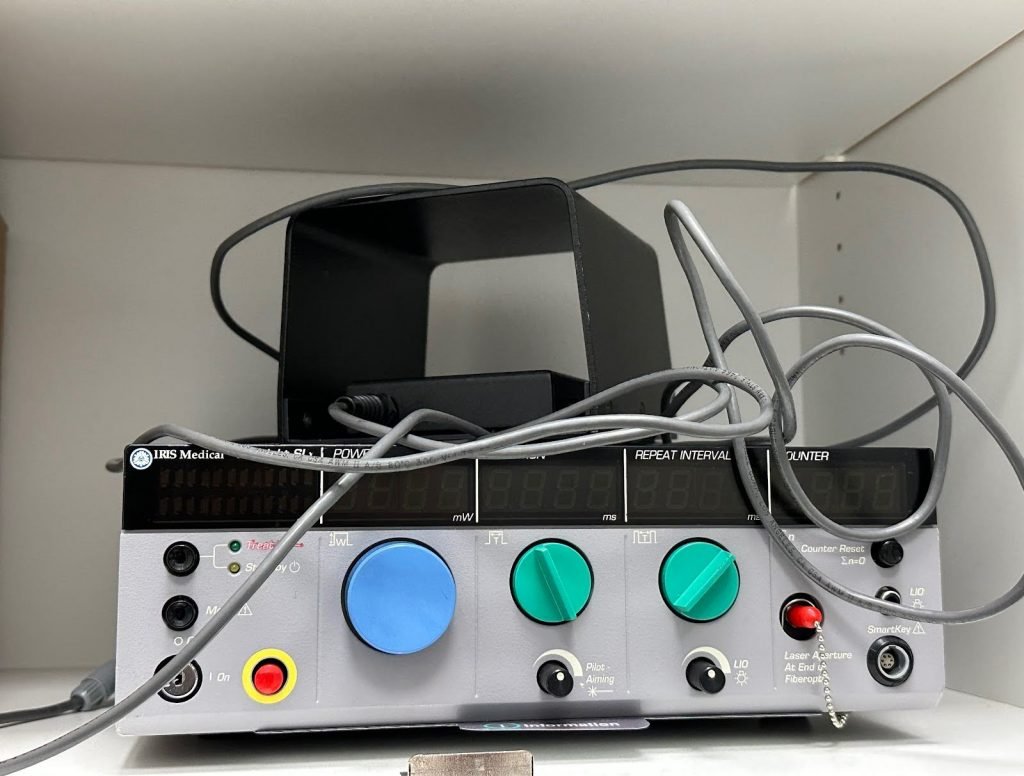
During cyclophotocoagulation (for glaucoma), laser energy is focused at the ciliary body, which creates aqueous humor. The treatment inhibits aqueous humor production. It can decrease intraocular pressure by treating targeted parts of the ciliary processes.
Glaucoma care includes the reduction of eye pressure since persistently high pressure causes damage to the optic nerve and permanent loss of vision. CPC does not repair any damage that has already occurred to the optic nerve. It is designed to assist in controlling pressure and preserving remaining eyesight.
The specific technique utilized is dependent on the patient’s diagnosis, prior glaucoma treatments, ocular anatomy, and treatment goals.
When CPC is Recommended
- Advanced processes
- Neovascular glaucoma
- Painful blind eyes
- Plateau iris syndrome
- Patients not suitable for traditional surgery
May be used earlier in treatment due to newer, gentler techniques (e.g., Micropulse CPC, ECP)
Procedure:
- Patient is prepped and given local anesthesia with optional twilight sedation
- Eyelids are held open with a speculum
- A laser probe is positioned:
- Transscleral/Micropulse: Applied to the surface of the white of the eye
- ECP: Inserted into the eye via a small incision (usually during cataract surgery)
- The 810-nm laser targets the ciliary body, shrinking tissue to reduce aqueous fluid production
- The laser is applied in a controlled pattern around the eye, usually covering 180–270° of the ciliary processes
- Laser energy is titrated based on tissue response (lower energy for micropulse, direct visualization for ECP)
- The probe is removed
- The eye is cleaned and may be patched temporarily
- Patient is given post-op drops (steroids, antibiotics) and instructions for follow-up
Laser Type: 810-nm diode laser
Access:
Transscleral CPC: Laser applied externally to the white of the eye
Micropulse CPC (MP-CPC): Laser delivered in short bursts to minimize tissue damage
Endocyclophotocoagulation (ECP): Probe with a camera inserted inside the eye for direct laser application (often combined with cataract surgery)
Goal: Shrink ciliary body processes to reduce aqueous humor production
Repeatability: May be repeated if tissue regenerates or pressure rises again
Recovery Timeline:
- Effects develop over 2–6 weeks
Common Symptoms:
- Mild eye soreness
- Tearing or burning
- Temporary blurry vision
- Light sensitivity
Medications:
- Steroid and antibiotic eye drops (prescribed)
Post-Op Care:
- Avoid: rubbing eyes, heavy lifting, swimming, eye makeup
- Wear sunglasses during the day and a protective shield while sleeping
Follow-Up Visits:
- Day after procedure
- 1 week post-op
- Additional visits as needed
Results & Risks
Expected IOP Reduction:
- 20–30% on average
Benefits:
- May reduce or eliminate some glaucoma medications
- Slows progression of glaucoma
Risks (Rare):
- Inflammation
- Hypotony (low eye pressure)
- Vision loss
- Bleeding
- Sympathetic ophthalmia
Side Effects:
- Temporary discomfort or irritation
- Temporary blurred vision
What Is Refractory Glaucoma?
Refractory glaucoma treatment is the management of glaucoma that is insufficiently managed despite suitable drugs, laser treatment for glaucoma, or previous surgical procedures. These patients may need more advanced or alternative modalities for achieving adequate intraocular pressure.
CPC can be one of the options to be examined in adequately selected patients with difficult-to-manage glaucoma. This can be especially effective in cases where traditional surgical methods are not feasible or have failed.
If you are seeking advanced glaucoma treatment near Oklahoma, a specialist can evaluate your condition and assist you in determining which treatment options are most suitable for your unique type and stage of glaucoma.

CPC for High Eye Pressure
High eye pressure treatment aims to lower high eye pressure and, in cases of glaucoma, help stop the nerve from getting worse.
CPC does not cure glaucoma and cannot repair damage that has already occurred to the optic nerve. Instead, its job is to lower pressure and stop the production of watery humor when needed.
Before getting glaucoma laser surgery near Durant Oklahoma, people who are looking for it should get a full evaluation. Your optometrist can tell you if laser treatment, medicine, standard glaucoma surgery, or some other method is best for you.
CPC Treatment in Texas
A CPC eye procedure in Sherman Texas is performed with careful consideration of the patient’s glaucoma severity and previous treatments. The treatment may include traditional transscleral CPC, Micropulse CPC, or another method.
Patients seeking CPC laser treatment in Sherman TX should discuss the benefits, dangers, recuperation time, and follow-up with their ophthalmologist.
Citations:
Authors, Dean McGee. “Laser Cyclophotocoagulation for Glaucoma in Oklahoma City.” DMEI | Dean McGee Eye Institute, 24 May 2024, www.dmei.org/services-specialties/glaucoma/treatment-options/laser-treatments/laser-cyclophotocoagulation/.
Authors, WillsEye Hospital. “Cyclophotocoagulation (CPC).” Wills Eye Hospital, 13 Jan. 2020, www.willseye.org/cyclophotocoagulation-cpc/.
Cohen, Amir, et al. “Endoscopic Cyclophotocoagulation for the Treatment of Glaucoma.” Survey of Ophthalmology, vol. 62, no. 3, 2017, pp. 357–365, pubmed.ncbi.nlm.nih.gov/27717892/,
https://doi.org/10.1016/j.survophthal.2016.09.004.
Emanuel, Matthew. “Diode Cyclophotocoagulation (CPC).” Glaucoma Associates of Texas, 14 June 2022, www.glaucomaassociates.com/laser-treatment-for-glaucoma/diode-cyclophotocoagulation-cpc/.
Ou, Yvonne. “Glaucoma Surgery Series: Cyclophotocoagulation.” BrightFocus Foundation, 24 Aug. 2021, www.brightfocus.org/resource/glaucoma-surgery-series-cyclophotocoagulation/.
Pastor, S. “Cyclophotocoagulation: A Report by the American Academy of Ophthalmology.” Ophthalmology, vol. 108, no. 11, Nov. 2001, pp. 2130–2138, https://doi.org/10.1016/s0161-6420(01)00889-2.
Frequently Asked Questions
Aqueous humor is made by parts of the ciliary body that are treated with laser energy by CPC. Intraocular pressure can be lowered by lowering the amount of fluid that is made. The amount of pressure decrease is different for each patient and depends on the treatment method used.
People who have advanced or difficult-to-control glaucoma, such as some people with refractory or neovascular glaucoma, may be considered for CPC. It may also be considered when medicines aren't working or when standard surgery for glaucoma isn't a suitable option. After a full review, the doctor decides if someone is qualified.
Local sedation is used to make treatment less painful. Afterward, some patients may feel pain, irritation, swelling, or sensitivity to light. Different people feel different amounts of pain.
The treatment itself usually doesn't take long, but the whole appointment can take longer because of getting ready, the anesthesia, the treatment, and watching the patient afterward. Your ophthalmologist can give you a more accurate estimate based on the method used.
Some of the problems that could happen are redness, bleeding, vision loss, and low eye pressure that lasts for a short time or a long time. The risk depends on the type of CPC, how hard it is treated, and the health of the person's eyes. Before treatment, your eye doctor should talk to you about the possible pros and cons.
Request an
Appointment
LET’S GET STARTED
Stay up to date on solutions and news
Opening Hours
Calls are taken 24/7 for emergencies
Available on Saturday and Sunday for Emergency only. Call for appointment
LOCATIONS AND DIRECTIONS