



Endophthalmitis Vitrectomy
Endophthalmitis Vitrectomy Treatment in Texas
Endophthalmitis Vitrectomy
Endophthalmitis is a serious, vision-threatening infection of the fluids and tissues inside the eye. It is usually associated with eye surgery, intravitreal injections, eye trauma, or transfer of infection from another region of the body. Prompt diagnosis and treatment are important since any delay may lead to permanent loss of vision or possibly loss of the eye. Vitrectomy for endophthalmitis is recommended if the infection is severe, worsening despite antibiotic treatment, or endangering vision. Texoma Retina’s experienced retina specialists offer advanced surgical therapy that includes endophthalmitis surgery in Texas. Our surgeons utilize the latest procedures to preserve vision wherever feasible.
Prompt evaluation and personalized care are provided to patients who are undergoing endophthalmitis vitrectomy treatment in Texas, as early intervention ensures the highest likelihood of a successful outcome.
Endophthalmitis Is a True Eye Emergency
Endophthalmitis is a real emergency in the eye care field. Symptoms can develop quickly and may include:
- Sharp eye ache
- Rapid loss of vision
- Red eye
- Increased light sensitivity
- Swelling of the eye
- Some cases of pus-like discharge
If these symptoms occur after eye surgery, an injection, or an eye injury, prompt evaluation is important. Emergency eye infection treatment can greatly improve the odds of saving vision.
When is a vitrectomy needed?
Although antibiotics are the initial line of treatment, surgery is necessary when:
- The infection is serious or growing rapidly
- Despite antibiotic treatment, vision keeps getting worse.
- There is a significant volume of contaminated vitreous gel
- The retina cannot be fully inspected due to inflammation.
- Immediate surgery is needed to save the eye
Vitrectomy for endophthalmitis helps to remove infected material, lower the bacterial or fungal load, and allow antibiotics to work better within the eye.
What Is the Endophthalmitis Vitrectomy Procedure?
Retinal surgeons who have completed a fellowship training to use advanced microsurgical equipment perform endophthalmitis vitrectomy in Allen, Texas.
Usually, the process includes:
- Usually, local anesthesia is used, but in severe cases, general anesthesia may be suggested.
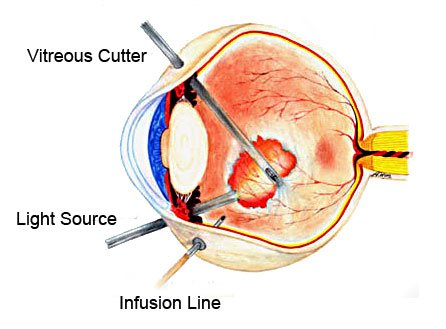
- Through the pars plana (the white part of the eye), three tiny cuts are made.
- A sterile balanced salt solution is infused through an infusion line to keep the eye pressure regular.
- Specialized instruments used in vitrectomy remove the infected vitreous gel.
- Samples of the affected fluid are taken and sent to a lab so that the bacteria or fungus can be identified.
- A balanced salt solution or an antibiotic solution is used to flush the eye.
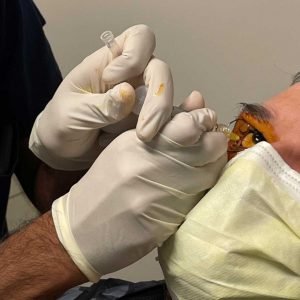
- Intravitreal medicines and, if needed, antifungal drugs are injected right into the eye.
- In some situations, a silicone oil or gas bubble may be put on the retina to keep it stable.
- Incisions usually heal on their own, but sometimes tiny stitches are needed.
This severe eye infection surgery helps get rid of infected tissue and lets the surgeon look straight at the retina for any damage.
Why Does Vitrectomy Make Treatment Better?
A pars plana vitrectomy has a number of important advantages, including:
- Gets rid of infected vitreous material
- Lowers the amount of bacteria and fungi
- Helps intravitreal medicines get deeper into the eye
- Allows direct retinal visualization
- Keeps the structure of the eye healthy.
- When done early, it increases the chance of vision recovery.
Patients needing surgery for retinal infection treatment and tailored antimicrobial therapy often benefit more when these treatments are combined.
Success Rate and Recovery
How quickly treatment starts has a big impact on how well endophthalmitis surgery in Texas works. Many people can see much better after an early vitrectomy. Delaying treatment raises the risk of retinal damage and permanent vision loss.
Patients may feel the following after surgery:
- Temporary blurry vision
- Mild to moderate eye pain
- Eye redness
- Inflammation during healing
It’s important to keep up with follow-up appointments to make sure the infection has gone away fully and to check on the recovery.
Risks and Possible Complications
Endophthalmitis is still a serious condition even though it can be treated quickly. Some possible risks are
- Loss of sight for good
- Detachment of the retina
- Long-lasting swelling
- Getting an illness again
- Cataract formation (if the natural lens is still there)
- Loss of the eye as the illness gets worse
Finding out quickly and having surgery right away are the best ways to protect your vision.
Who Is at Higher Risk?
Some risk factors are
- Cataract surgery
- Other eye surgeries
- Intravitreal injections
- Eye trauma
- Post-operative infections
- Rare bloodstream infections that spread to the eye
If your pain or vision gets worse after these events, you should seek immediate treatment for an eye infection.
Advanced Retina Care in North Texas
People in Sherman, Allen, McKinney, Gainesville, and other nearby cities can get an emergency vitrectomy for endophthalmitis at Texoma Retina. Our fellowship-trained retina surgeons are experts in treating urgent infections inside the eye that need advanced surgical care.
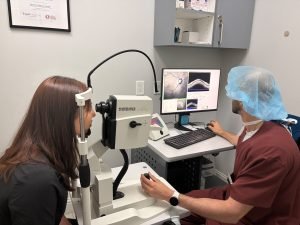
Patients looking for endophthalmitis vitrectomy treatment in Texas, endophthalmitis vitrectomy in Allen Texas, or advanced retina care in North Texas are quickly evaluated using the newest imaging and surgery tools.
We also see people from Durant, Oklahoma, and are only a short drive away. Patients from all over Southern Oklahoma trust us. People looking for an eye specialist near Hugo Oklahoma, or a retina specialist near Durant Oklahoma, can find expert emergency retinal care close to home.
Get Immediate Care for Suspected Endophthalmitis
You should always take care of any illness in your eye. Get medical help right away if you have severe eye pain, sudden vision loss, eyes that are getting redder, or symptoms after surgery, injections, or trauma to the eyes. Vitrectomy for endophthalmitis can help protect your vision and eye health a lot if you get it treated quickly.
Frequently Asked Questions
Endophthalmitis is a serious illness that affects the eye's tissues and fluids. You need to get help right away because the condition could quickly take away your sight for good.
When microorganisms get into the eye after cataract surgery, intravitreal injections, eye trauma, or post-operative infections, the condition most often happens.
Yes. Endophthalmitis needs to be checked out and treated right away. If you wait too long to get care, you could damage the retina irreversibly and go blind or lose your eye.
Intravitreal antibiotics, antifungal drugs when needed, and emergency vitrectomy for severe or worsening infections are common ways to treat endophthalmitis.
Vitrectomy is a tiny surgery that gets rid of sick vitreous gel. This lowers the number of infections, makes antibiotics work better, and lets the retina be checked out and treated if needed.
Request an
Appointment
LET’S GET STARTED
Stay up to date on solutions and news
Opening Hours
Calls are taken 24/7 for emergencies
Available on Saturday and Sunday for Emergency only. Call for appointment
LOCATIONS AND DIRECTIONS