


YAG Laser Capsulotomy
YAG Laser Capsulotomy Treatment in Texas
YAG Laser Capsulotomy in Texas
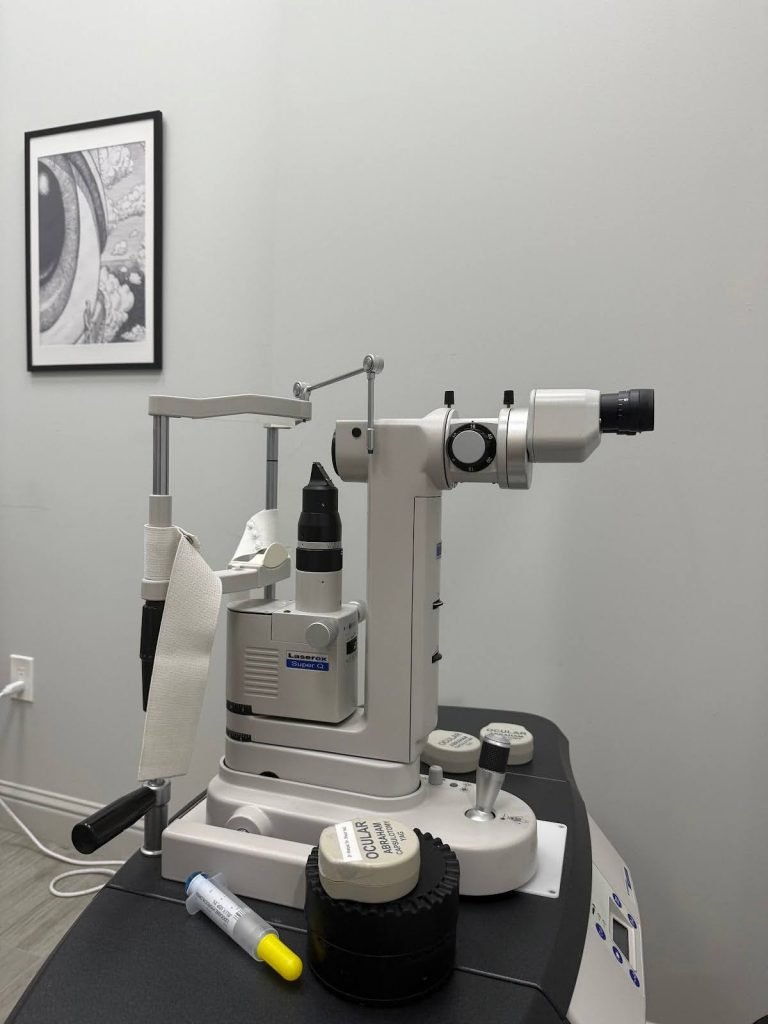
YAG laser capsulotomy is a safe and successful outpatient laser technique for restoring clear vision following cataract surgery. Posterior Capsule Opacification (PCO) is a disease that may occur in some people. Sometimes called a “secondary cataract,” the capsule that holds the artificial lens becomes clouded. YAG Laser Capsulotomy A specific laser is used to make a small opening in the hazy capsule so that light may travel through the eye clearly again and vision improves. The entire process is usually done in 5 to 10 minutes with no surgical cuts.
If you’re considering YAG laser capsulotomy treatment in Texas, you can meet with a skilled eye specialist to evaluate your situation and decide if your blurred vision is caused by PCO or another eye problem. Texoma Retina offers patients expert diagnosis and treatment of problems affecting vision and the retina.
Purpose: A quick laser procedure performed after cataract surgery to restore clear vision when the posterior capsule (which holds the artificial lens in place) becomes cloudy due to Posterior Capsule Opacification. This condition can develop weeks, months, or even years after cataract surgery.
What Is Posterior Capsule Opacification?
Posterior Capsule Opacification (PCO) is when cells grow on the lens capsule following cataract surgery and cause vision to become blurry or cloudy. This complication can occur weeks, months, or even years after cataract surgery and is one of the most prevalent causes of decreased vision after an otherwise successful cataract operation.
The term “secondary cataract” is sometimes used for PCO, but it is not a new cataract. The natural clouded lens removed during cataract surgery does not regrow. Instead, the capsule around the prosthetic intraocular lens gets opacified. The YAG laser therapy produces a hole in this clouded area so that light can pass through the visual pathway more clearly.
People looking for Posterior Capsule Opacification Treatment Sherman TX might benefit from getting their eyes checked to see if PCO is the cause of their changes in vision. Specialized eye care for Sherman and adjacent regions, provided by Texoma Retina.
Procedure:
- Patient arrives and remains awake for the entire procedure
- Eye drops are applied:
- One to numb the eye
- One to dilate the pupil
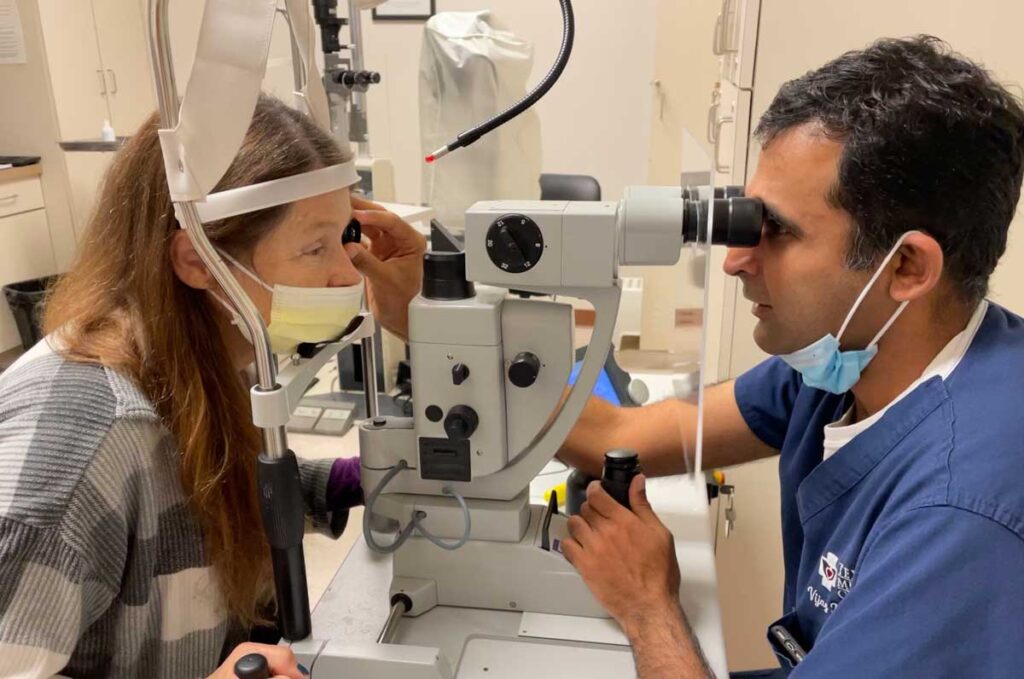
- Patient positions head on the YAG laser machine’s headrest
- A lubricated contact lens may be gently placed on the eye to stabilize it
- The doctor uses the YAG laser to deliver rapid, invisible pulses of energy
- A small circular opening is created in the cloudy posterior capsule
- Light can now pass clearly to the retina, restoring vision
- The lens is removed, and the eye is cleaned
- Patient rests briefly before being discharged
Setting: Outpatient (no incisions or operating room required)
Time: About 5–10 minutes
Laser Used: YAG (Yttrium-Aluminum-Garnet) laser
Function: The laser creates a small opening in the cloudy capsule, allowing light to pass directly through to the retina
Goal:
Restore clear vision by removing the cloudy posterior capsule that can develop after cataract surgery.
Success Rate:
Over 95% of patients experience significant improvement in vision, especially if no other eye conditions are present.
Risks (Rare):
- Retinal detachment
- Increased eye pressure (IOP spike)
- Damage to intraocular lens (IOL)
- Inflammation
Side Effects:
- Temporary blurry vision
- Eye floaters
- Mild eye discomfort or sensitivity to light
Benefits of YAG Laser Capsulotomy
YAG laser treatment is better than surgery for treating a cloudy posterior capsule in several ways:
- Quick outpatient surgery
- No surgical incision required
- Usually completed within 5–10 minutes
- Brings back better vision
- Minimally invasive treatment
- Little to no downtime
- High success rate
- Instant improvement for a lot of patients
The process works more than 95% of the time on patients who are properly chosen.
Recovery After Treatment
After treatment, most people go back to their normal lives quickly. Some people may experience temporary floaters, mild blurred vision, or light sensitivity, but these problems usually go away in a few days. Follow-up visits help make sure that the wound heals properly and check the eye pressure as needed.
Depending on your specific situation, your doctor may tell you to use prescription eye drops after treatment. Patients should follow their doctor’s instructions after treatment and attend any suggested follow-up visits.
Even though complications are rare, patients should call their eye doctor right away if they have severe eye pain, rapid vision loss, many floaters, flashes of light, or a shadow that looks like a curtain in their vision.
Is YAG Laser Capsulotomy Right for You?
Not all people who have poor vision after cataract surgery need to be treated with a YAG laser. To find out if PCO is really the cause of the vision change, it is important to get a full eye test.
Before suggesting treatment, your eye doctor may check the artificial lens, posterior capsule, retina, macula, optic nerve, and eye pressure. This helps tell PCO apart from other diseases that can make it hard to see after cataract surgery.
Patients seeking YAG laser capsulotomy in Sherman TX should get a thorough review to find out why their vision is so poor and what the best treatment would be.
YAG Laser Capsulotomy Treatment in Texas and Southern Oklahoma
North Texas and southern Oklahoma residents with PCO can drive to specialized eye care practices to get an evaluation and treatment. Patients come to Texoma Retina from all over the Texoma region.
Finding an expert eye doctor is important for people looking for a YAG laser capsulotomy specialist in Allen, TX. This will help them get the right diagnosis and personalized treatment plan.
People who want YAG laser treatment near Durant Oklahoma, might also benefit from an exam to see if their blurry vision is caused by posterior capsule opacification or another eye problem.
Texoma Retina offers specialized evaluation and eye care for people who are eligible and who are looking for YAG laser eye treatment near North Texas.
Frequently Asked Questions
Having cloudy vision after surgery for cataracts can happen for several reasons. One common reason is posterior capsule opacification. This is when the capsule around the artificial lens gets cloudy. Other eye problems can also cause vision problems, so it's important to get an eye check to find out what's wrong.
Cloudiness of the capsule behind an artificial lens after cataract surgery is called posterior capsule opacification. It might show up weeks, months, or even years after surgery and make it hard to see clearly or with less blurriness. YAG laser capsulotomy is usually able to treat it.
The procedure goes well for most patients. Before the treatment, eye drops are used to numb the area. Most people stay awake during the procedure. Some people may feel a little uncomfortable, sensitive to light, or irritated for a short time afterward.
Most of the time, the laser treatment is rapid, taking only 5 to 10 minutes. More time may be needed for getting ready, dilation, inspection, and a short observation period afterward.
YAG laser capsulotomy is thought to be a successful way to treat posterior capsule opacification that is noticeable to the eye. More than 95% of properly selected patients may notice a significant improvement in their vision, especially if they do not have any other eye problems that could interfere. Individual outcomes may be different.
Request an
Appointment
LET’S GET STARTED
Stay up to date on solutions and news
Opening Hours
Calls are taken 24/7 for emergencies
Available on Saturday and Sunday for Emergency only. Call for appointment
LOCATIONS AND DIRECTIONS