


Diabetic Retinopathy
Diabetic Retinopathy Treatment in Texas
Diabetes may harm several parts of your body, including your eyes. One of the most serious effects is diabetic retinopathy, which is the most prevalent diabetic eye disease and a leading cause of vision impairment in adults. Our fellowship-trained retina specialists at Texoma Retina & Glaucoma offer sophisticated diabetic retinopathy treatment in TX to help you protect your eyesight through early diagnosis, individualized treatment, and continuous monitoring.
Diabetic retinopathy is one of the leading causes of vision loss in adults. Fortunately, early detection can prevent permanent vision damage, making routine diabetic eye care an essential part of managing diabetes.
What Is Diabetic Retinopathy?
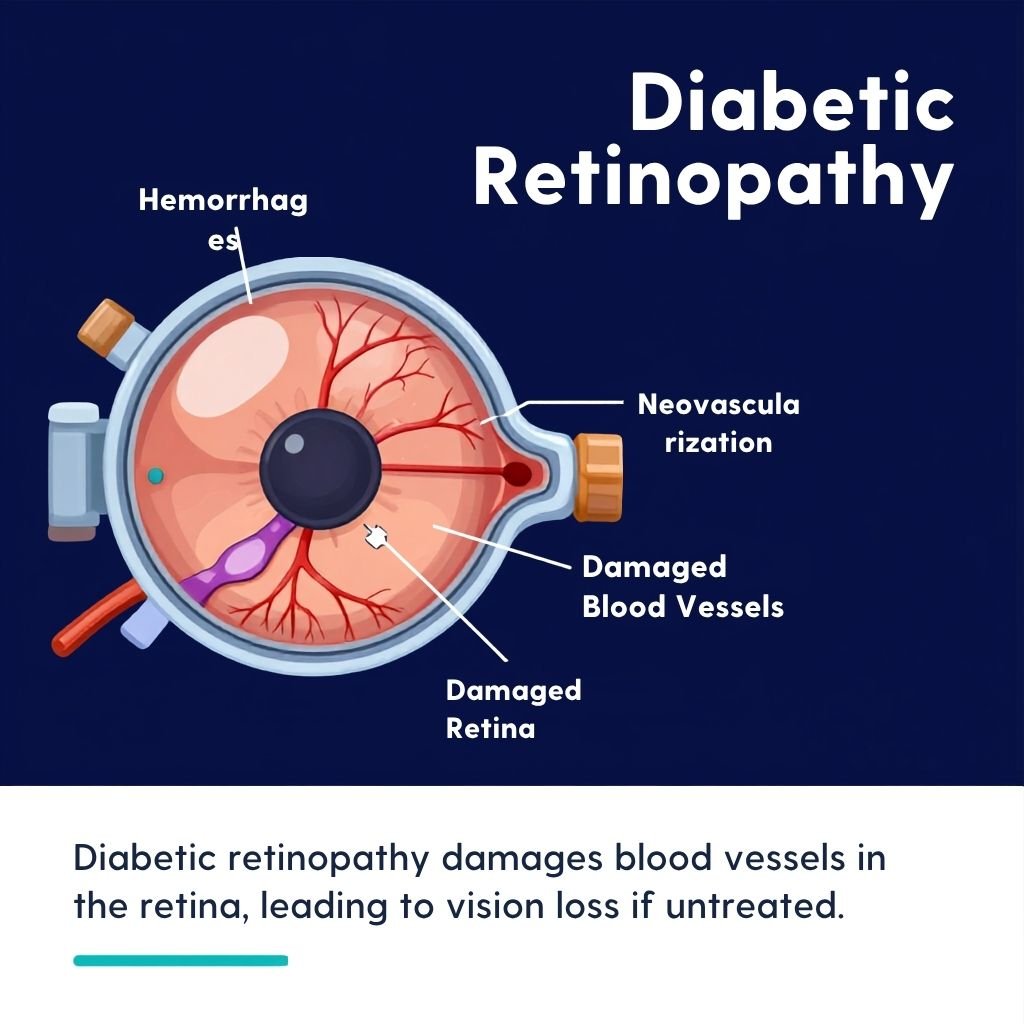
Diabetic Retinopathy is the most common diabetic eye disease. This disease takes place in the retina when the blood vessels of the retina change. Sometimes the vessels swell and leak fluid or close off completely. Other times the abnormal, and often weak, blood vessels grow on the surface of the retina. Diabetic retinopathy usually affects both eyes and people do not notice changes in their vision when the disease is in early stages. Often, the vision loss cause by diabetic retinopathy cannot be reversed. There are two types of diabetic retinopathy, non-proliferative diabetic retinopathy (NPDR) and proliferative diabetic retinopathy (PDR).
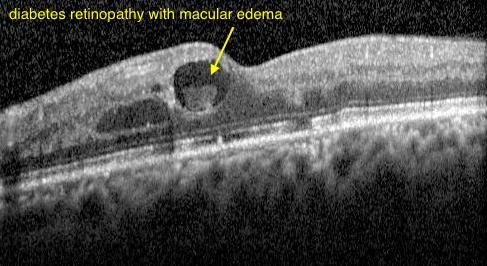
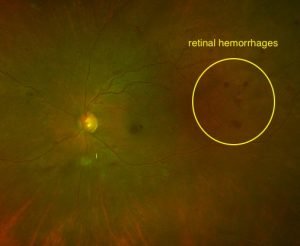
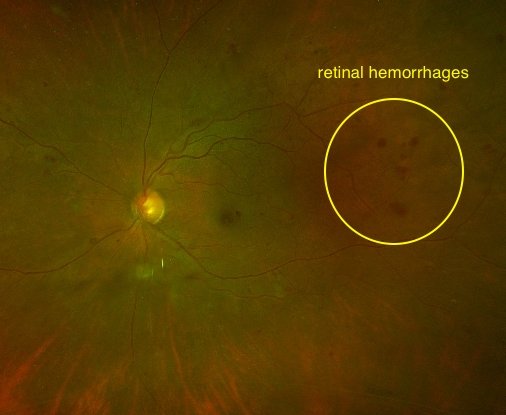
NPDR is the earliest stage of diabetic retinopathy, in this condition damaged blood vessels in the retina leak fluid and small amounts of blood into the retina. This can cause microaneurysms, retinal hemorrhages, hard exudates (deposits of cholesterol or other fats from the blood that have leaked into the retina), and macular edema, or the swelling of the macula. When the macula is swollen it fails to function correctly. Macular edema is the most common cause of vision loss in diabetes.
Types of Diabetic Retinopathy Treatment in TX
Non-Proliferative Diabetic Retinopathy (NPDR)-
The initial phase of the disease is termed as Non-Proliferative Diabetic Retinopathy (NPDR). At this point the compromised blood vessels in the retina start to leak small volumes of blood and fluid into the retina.
Common findings include:
- Microaneurysms (small bulges in the blood vessels of the retina)
- Retinal bleedings
- Hard exudates (deposits of fat remaining after leakage)
- Retinal swelling
Diabetic macular edema (DME) is caused by fluid buildup in the macula, the core part of the retina important for detailed vision, resulting in swelling. This is the leading cause of visual loss in diabetics and generally requires immediate diabetic macular edema treatment to prevent permanent damage.
Proliferative Diabetic Retinopathy (PDR)
Proliferative diabetic retinopathy (PDR) is the advanced stage of diabetic retinopathy. When the blood vessels in the retina become blocked, the retina does not receive enough oxygen and begins to grow abnormal new blood vessels.
These delicate vessels can:
- Vitreous hemorrhage (bleeding into the vitreous)
- Scar tissue formation
- Retinal tractional detachments
- Raise intraocular pressure and cause neovascular glaucoma
Proliferative diabetic retinopathy can lead to severe or permanent visual loss if it is not treated in time.
Diabetic Retinopathy Treatment Medications
| Medication | Drug Class | Common Uses |
|---|---|---|
| Avastin (Bevacizumab) | Anti-VEGF | Diabetic macular edema (DME), diabetic retinopathy (DR), wet AMD, retinal vein occlusion (RVO), myopic CNV (off-label for eye use). |
| Eylea (Aflibercept) | Anti-VEGF | DME, diabetic retinopathy, wet AMD, macular edema following RVO, retinopathy of prematurity (ROP). |
| Eylea HD (Aflibercept 8 mg) | Anti-VEGF | Wet AMD and diabetic macular edema with longer treatment intervals; also used for diabetic retinopathy. |
| Lucentis (Ranibizumab) | Anti-VEGF | DME, diabetic retinopathy, wet AMD, macular edema due to RVO, myopic CNV. |
| Susvimo (Ranibizumab Implant) | Anti-VEGF | Wet AMD requiring continuous ranibizumab delivery through a refillable ocular implant. |
| Beovu (Brolucizumab) | Anti-VEGF | Wet AMD and diabetic macular edema. |
| Vabysmo (Faricimab) | Dual Ang-2 & VEGF Inhibitor | DME, diabetic retinopathy, wet AMD, retinal vein occlusion-related macular edema. |
| Ozurdex (Dexamethasone Implant) | Corticosteroid | DME, macular edema due to RVO, non-infectious posterior uveitis. |
| Iluvien (Fluocinolone Acetonide Implant) | Corticosteroid | Chronic diabetic macular edema insufficiently responsive to other treatments. |
| Retisert (Fluocinolone Acetonide Implant) | Corticosteroid | Chronic non-infectious posterior uveitis affecting the posterior segment of the eye. Not typically used for diabetic retinopathy. |
Diabetic Retinopathy Symptoms
Many individuals don’t detect symptoms until diabetic retinopathy has developed. That’s why annual eye exams are so critical for those with diabetes.
Common diabetic retinopathy symptoms are:
- Blurry or changing vision
- Floaters or dark spots
- Difficult Reading
- Visual distortion
- Dimmed night vision
- Dark or empty spots in your field of vision
- Diabetes-caused sudden eyesight loss
If you have any of these symptoms, schedule an appointment with a Texas retina expert for evaluation as soon as possible.
How Do You Test For Diabetic Retinopathy?
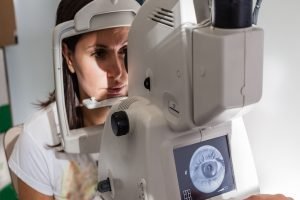
Early diagnosis is important for the preservation of vision. At Texoma Retina & Glaucoma, we do comprehensive retinal exams with the latest imaging technologies to identify diabetic eye disease before it causes lasting damage.
Diagnostic tests may include:
- Complete dilated eye exam
- Optical Coherence Tomography (OCT)
- Fluorescein angiography
- Digital retinal imaging
These high-tech diagnostic tools help your retina expert find things like swollen retinas, blood vessels that are leaking, and early changes that might not be affecting your vision yet.
Diabetic Retinopathy Treatment in Texas
The treatment relies on the stage of diabetic retinopathy and the presence of diabetic macular edema. Our goal is to halt the advancement of the disease, decrease swelling in the retina, and preserve eyesight.
Diabetic Retinopathy Eye Injections
Anti-VEGF drugs are frequently administered as eye injections for diabetic retinopathy and diabetic macular edema. To maintain or improve vision, these medicines stop abnormal blood vessel growth and stop fluid leakage in the retina.
Many individuals benefit from an individualized injection schedule based on severity of disease and response to treatment.
Retinal Laser Treatment
Retinal laser treatment still works for certain patients with proliferative diabetic retinopathy. Laser therapy can seal leaking blood vessels and slow the formation of aberrant blood vessels, thereby reducing the risk of serious visual problems.
Vitrectomy – Surgery
Patients with advanced illness with bleeding in the vitreous or retinal detachment may need surgery (vitrectomy). This microsurgery eliminates blood and scar tissue from the eye and, if possible, restores retinal function.
Our doctors offer treatment based on the specific retinal findings and the overall condition of each patient’s eye.
Is Diabetic Retinopathy Preventable?
“While diabetic retinopathy is not always completely preventable, proper management of diabetes can significantly reduce the chance for progression of the disease.”
You can help safeguard your eyesight by:
- Keeping blood sugar levels in check
- Take your diabetes medicines as indicated
- Eating a balanced diet
- Regular exercise
- Maintaining normal blood pressure and cholesterol levels
- Avoid smoking and drinking too much alcohol.
- Scheduling yearly thorough diabetic eye exams
Early diagnosis is still the best protection against irreversible loss of sight.
Why Choose Texoma Retina & Glaucoma?
Texoma Retina & Glaucoma is a specialty practice committed to the preservation of eyesight through early diagnosis and state-of-the-artt treatment choices. Our trained physicians provide advanced retinal care for our patients.
We are delighted to offer advanced diabetic retinopathy care in Sherman, Allen, McKinney, and North Texas, with tailored care for each stage of diabetic eye disease.
Our fellowship-trained retina specialists treat diabetic eye disease with the latest diagnostic tools and therapies that have been shown to work. These include diabetic macular edema treatment, retinal laser treatment, and eye injections for diabetic retinopathy. Our team wants to help you keep your eyes healthy for life, whether you need regular screenings for diabetic retinopathy or advanced care from a reliable retina doctor in Sherman, TX.
Diabetes can cause diabetic retinopathy, an eye disease that hurts the blood vessels in the retina. If you don't fix it, you could lose your sight permanently and become blind.
Vision problems like floaters, dark spots, fuzzy vision, and trouble seeing at night can be signs of diabetes-related vision loss. In the early stages, there are often no obvious signs.
A fully dilated eye exam and advanced retinal imaging like optical coherence tomography (OCT), fluorescein angiography, and digital retinal photography are used to diagnose the disease and find damaged retinas and track how the disease is getting worse.
For diabetic retinopathy, treatment may include eye shots; for diabetic macular edema, retinal laser treatment or vitrectomy surgery if the disease is very bad. Based on how serious your situation is, your retina specialist will suggest the best way to treat it.
Even though diabetic retinopathy can't always be avoided, keeping your blood sugar in a healthy range, controlling your blood pressure, not smoking, following your diabetes treatment plan, and getting regular eye exams can greatly lower your risk of major vision problems.
Request an
Appointment
Opening Hours
Calls are taken 24/7 for emergencies
Available on Saturday and Sunday for Emergency only. Call for appointment
LOCATIONS AND DIRECTIONS