



Lasers
Glaucoma Laser Treatments in Texas
Advanced Laser Options for Glaucoma
Glaucoma laser treatment is a minimally invasive procedure that helps to reduce intraocular pressure (IOP) and preserve the optic nerve from further damage. Glaucoma is classified by its type and severity. Laser techniques are used to either improve the natural drainage system of the eye or limit the creation of fluid. We provide a variety of modern laser therapy methods, including Selective Laser Trabeculoplasty (SLT), Laser Peripheral Iridotomy (LPI), Cyclophotocoagulation (CPC), and Micropulse Transscleral Cyclophotocoagulation (MP-TSCPC).
Glaucoma is a category of eye illnesses that can damage the optic nerve and often has a link to increased eye pressure. Glaucoma can cause irreversible vision loss; thus, regulating eye pressure is a crucial part of treatment. Depending on the diagnosis, an ophthalmologist may prescribe drugs, laser techniques, surgery, or a combination of glaucoma treatment options.
Why is laser Treatment Recommended?
We suggest laser treatment if eye drops are not controlling eye pressure well, if there are problems with the adverse effects of medicine, or if a patient desires less dependence on eye drops to cure their glaucoma. The main objective is to save eyesight by reducing intraocular pressure and halting the progression of glaucoma.
These non-surgical glaucoma treatment options can be performed for several reasons.
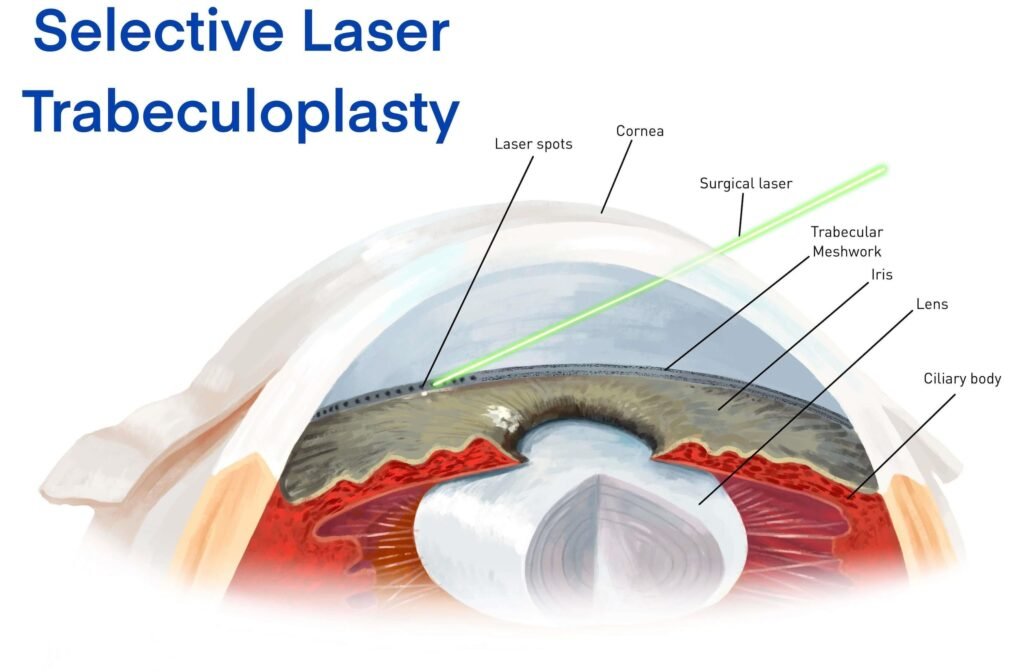
Selective Laser Trabeculoplasty (SLT): This is a treatment that is aimed at improving the outflow of fluid from your eye’s natural drainage system
Laser Peripheral Iridotomy (LPI): This treatment creates a microscopic hole in the iris to allow the fluid (aqueous humor) in the eye to travel to the drainage system more easily and reduce the risk of having an episode of “angle closure glaucoma”
Cyclophotocoagulation (CPC): This treatment uses a diode laser to treat the eye fluid gland (ciliary body) to reduce the amount of fluid the eye produces. This treats the “faucet”
Micropulse Transscleral Cyclophotocoagulation (MP-TSCPC): This treatment is similar to the above-described procedure of CPC but uses different energy settings.
Micropulse Transscleral Cyclophotocoagulation (MP-TSCPC): This treatment is identical to the CPC technique detailed above, but utilizes different energy parameters.
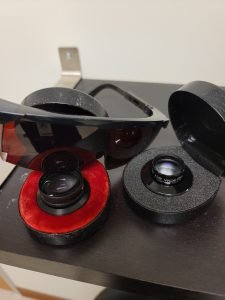
Learning About Your Glaucoma Laser Treatments in Texas
For some kinds of open-angle glaucoma, Selective Laser Trabeculoplasty (SLT) is often the best option. The SLT laser treatment focuses on the trabecular meshwork, which helps the watery humor drain more naturally and may lower IOP. Some people with glaucoma may be able to depend less on eye drops.
Laser Peripheral Iridotomy (LPI) is usually done on people who have narrow angles or certain types of angle-closure glaucoma. By making a small hole in the iris, LPI gives fluid another way to move and can help lower the chance of an angle-closure episode.
By treating the ciliary body, cyclophotocoagulation (CPC) lowers the production of aqueous fluid. It might be an option for some people whose glaucoma is still hard to manage with medicine or other treatments.
The ciliary body is treated with micropulse cyclophotocoagulation (MP-TSCPC), which sends out short bursts of energy. It might be an option for some patients who need more treatment to lower their intraocular pressure.
What to Look Forward To?
Your eye doctor will check your eye pressure, optic nerve, drainage angle, and overall eye health before starting eye laser treatment for glaucoma. The procedure that is suggested is based on your diagnosis and treatment needs.
Eye drops that numb the area are usually used during laser treatments. Some people may have brief redness, irritation, light sensitivity, or blurred vision after treatment. It’s important to keep up with follow-up visits to check on eye pressure and see how well the treatment is working.
Laser treatment for glaucoma does not bring back vision that has already been lost. Its main job is to lower eye pressure and help protect what vision you still have. Laser therapy can be used by itself or along with medicines or other glaucoma treatments, depending on your needs.
Frequently Asked Questions
SLT targets the trabecular meshwork to enhance aqueous humor outflow and decrease intraocular pressure in select patients.
Numbing eye drops are utilized, and most individuals have little or no substantial pain. You may have mild discomfort or sensitivity to light afterward.
This surgery is normally conducted on an outpatient basis. How long this takes will depend on the sort of laser treatment you have.
Laser treatment may reduce the need for medication in some people, but others may still need to use eye drops to keep their eye pressure at the correct level.
Risks vary with each surgery but may include temporary swelling, pain, impaired vision, or changes in eye pressure. Your eye doctor will explain the pros and cons before you get treatment.
Request an
Appointment
Opening Hours
Calls are taken 24/7 for emergencies
Available on Saturday and Sunday for Emergency only. Call for appointment
LOCATIONS AND DIRECTIONS