



Diabetic Retinopathy Vitrectomy
Proliferative Diabetic Retinopathy Vitrectomy in Texas
Advanced Surgical Treatment for Severe Diabetic Eye Disease
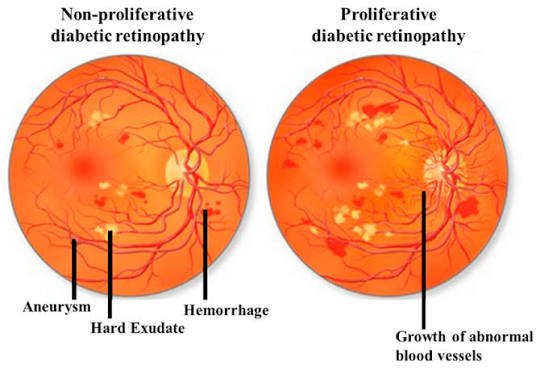
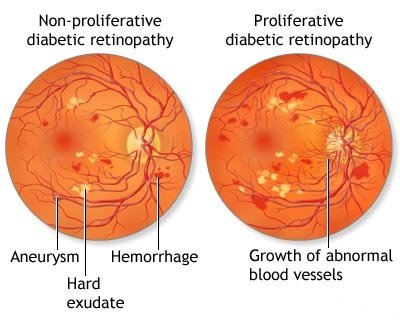
The most advanced stage of diabetic eye disease is proliferative diabetic retinopathy (PDR), which is a leading cause of adult vision loss. Diabetes can damage the small blood vessels in the retina . This means less oxygen reaches the retina . The retina then produces new blood vessels that are abnormal . These weak veins can bleed into the vitreous chamber and produce scar tissue that pushes on the retina, increasing the risk for irreversible vision loss.
At Texoma Retina, our fellowship-trained retina surgeons offer advanced diabetic retinopathy treatment with the latest microsurgical procedures. We provide diabetic retinopathy vitrectomy in Texas to patients with advanced diabetic eye disease who require surgery to save sight. We are delighted to assist patients in Sherman, Allen, McKinney, Gainesville, and North Texas and as a retina specialist serving Southern Oklahoma, including those making a short commute from Durant.
What Is Proliferative Diabetic Retinopathy?
Proliferative diabetic retinopathy occurs when diabetes over several years causes less blood to flow to the retina. In response, the eye grows abnormal new blood vessels (neovascularization) in an attempt to increase the supply of oxygen.
But these new blood vessels are feeble and fragile. They can:
- Venous hemorrhage means bleeding into the eye.
- Cause acute or progressive vision loss
- Scar tissue on the retinal surface
- Cause tractional retinal detachment by pulling on the retina
- Risk of irreversible retinal damage if untreated increases
In the event of severe issues, vitrectomy for diabetic retinopathy may be the most efficient treatment for restoring retinal architecture and maintaining vision.
When is vitrectomy required for Proliferative Diabetic Retinopathy?
Most patients are treated first with retinal laser therapy and intravitreal anti-VEGF injections; however, when significant problems arise, surgical treatment may be indicated.
A diabetic retinopathy vitrectomy in Texas is regularly suggested for:
- Non-clearing vitreous hemorrhage
- Tractional retinal detachment with macular involvement
- Proliferation of fibrovascular tissue that pulls on the retina
- Severe proliferative diabetic retinopathy despite injections and laser treatment
- Thick scar tissue on the retinal structure
Operating early may offer a better chance of saving useful vision.
How is the procedure for vitrectomy done?
Proliferative diabetic retinopathy vitrectomy is a highly skilled microsurgical surgery performed to remove blood, scar tissue, and traction from the retina.
The method usually includes:
- Anesthesia for the whole body because the process is so complicated
- There are three small cuts in the pars plana.
- Using a vitrector to remove the vitreous gel and vitreous bleeding
- Making a posterior vitreous detachment (PVD) happen if it isn’t already there
- Fibrous membranes that are pulling on the retina need to be carefully cut apart and removed.
- When membranes are strongly adhered, use of special scissors or segmentation tools
- When needed, diathermy (cauterization) can be used to stop ongoing bleeding.
- Endolaser pan-retinal photocoagulation to lower ocular ischemia and abnormal vessel growth
- If retinal traction is present, a gas bubble is put in place. If the detachment is complicated or a second surgery is planned, silicone oil is used.
- Surgical ports are taken out, and the wounds are carefully checked for leaks or bleeding.
Stopping the bleeding, relieving pressure on the eye, and preventing retinal detachment are the main goals of surgery.
Advantages of a diabetic retinopathy vitrectomy
Advanced diabetic eye surgery in Texas can help people with diabetic eye disease in important ways.
Some of these are:
- Removing a persistent vitreous hemorrhage
- Traction pain relief from scar tissue
- Tractional retinal detachment repair
- Less chance of eye damage in the future
- Better rigidity of the retina
- Better chance of getting better vision
- Less bleeding that comes back after the right laser treatment
For a lot of people, advanced diabetic retinopathy treatment is the best way to keep their sight.
Recovery After Surgery
How quickly you recover from vitreous hemorrhage surgery depends on how bad the disease was and whether a gas bubble or silicone oil was used during the surgery.
What patients can expect:
- A little pain for the first few days
- At first, blurry vision that gets better over a few weeks
- Tips on how to position your head if a gas bubble is used
- Many follow-up meetings to make sure the healing is going well
- Keeping up with diabetes care to protect retinal health in the long term
Vision recovery varies by patient, as many had retinal damage before surgery.
Rate of Success and Prognosis
Tractional retinal detachment repair has an anatomical success rate of about 80–90% when it is done before permanent damage to the retina happens.
The vitrectomy can:
- Keep your eyes stable
- Fix the structure of the retina
- Cut down on repeated bleeding
- Lessen the chance of retinal damage
How well the diabetes is controlled after surgery and how far along the disease is when it is treated determine the overall outcome.
Safety and Risks
Like any other surgery on the eye, vitrectomy comes with some risks. However, when done by experienced retina specialists, major problems are very rare.
Some possible risks are :
- Often bleeding from the vitreous
- Scar tissue grows back
- Formation of cataracts
- Detachment of the retina
- Glaucoma (high eye pressure) infection
Careful postoperative monitoring and good blood sugar control are essential to avoiding complications and ensuring the surgery is effective over time.

Expert Diabetic Retina Care at Texoma Retina
Advanced vitrectomy surgery for proliferative diabetic retinopathy is available at Texoma Retina in Sherman, Allen, McKinney, Gainesville, and other North Texas cities. Our fellowship-trained retina doctors are experts in treating complicated diabetic eye disease and use the newest surgical tools to give each patient individualized care.
We are a retina specialist servicing Southern Oklahoma, and we are proud to offer diabetic retinopathy vitrectomy in Allen, Texas, for patients throughout North Texas. Patients throughout Southern Oklahoma, including those who make a short drive from Durant, Oklahoma, trust our services. Our skilled team is here to help you if you have severe diabetic eye disease, need tractional retinal detachment repair, or need vitreous hemorrhage surgery.
To keep your vision, you need to get care for advanced diabetic eye disease right away. If you have been identified with persistent vitreous hemorrhage or proliferative diabetic retinopathy, you should make an appointment with Texoma Retina, which will discuss whether a diabetic retinopathy vitrectomy in Texas is the best treatment option for you.
Frequently Asked Questions
When diabetic retinopathy leads to complications that are too dangerous to treat with lasers or injections, like persistent vitreous hemorrhage, tractional retinal detachment, serious scar tissue, or vision-threatening problems, a vitrectomy is the only option.
When you have proliferative diabetic retinopathy, abnormal new blood vessels form. These vessels are weak and easily break, letting blood leak into the vitreous cavity.
A vitrectomy gets rid of blood, scar tissue, and vitreous gel while releasing pressure on the retina. During surgery, laser treatment can also be used to stop blood vessels from growing in the wrong places and make the eye more stable.
Yes, vitrectomy is a well-known procedure that is only done by retina specialists. There are some risks with surgery, but with today's techniques and close aftercare, it's a safe and useful treatment for many people.
How quickly you heal depends on how complicated the surgery was and whether silicone oil or gas was used. Usually, vision is blurry at first and gets better over a few weeks. For the best result, you must go to follow-up appointments and keep your diabetes under control.
Request an
Appointment
LET’S GET STARTED
Stay up to date on solutions and news
Opening Hours
Calls are taken 24/7 for emergencies
Available on Saturday and Sunday for Emergency only. Call for appointment
LOCATIONS AND DIRECTIONS