


Vein Occulsions
Retinal Vein Occlusions Treatment Texas
Expert Retinal Vein Occlusion Care at Texoma Retina
Retinal vein occlusion (RVO) is a common retinal disease caused by thrombotic blockage of a retinal vein that prevents blood drainage from the retina. This blockage can limit blood flow, result in enlargement of the retina, and cause rapid changes in vision. At Texoma Retina, we offer the latest retinal vein occlusion treatment in Texas with advanced imaging technology and individualized treatment programs to help maintain your vision.
Retinal vein occlusion (RVO) is a blockage of the normal flow of blood through the retina. It is the second most common retinal vascular condition after diabetic retinopathy. The blockage might cause to hemorrhage, fluid leaking out, and enlargement of the macula. “Getting the diagnosis and treatment early is important to sudden vision loss and improve outcomes.”
What Is Retinal Vein Occlusion?
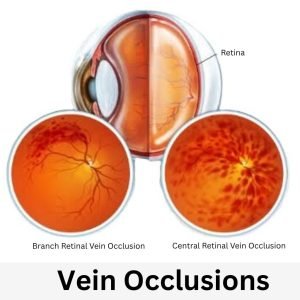
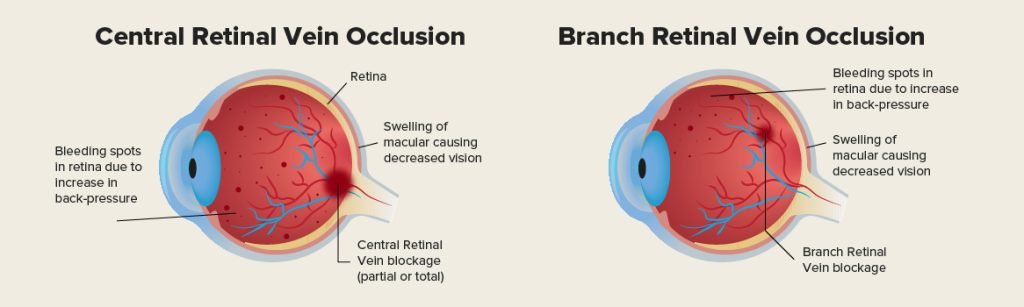
A retinal vein occlusion is when a retinal vein is clogged, which prevents the retina from getting blood flow as it normally would. This can cause bleeding, fluid buildup, and damage to the macula, the portion of the retina responsible for sharp, center vision.
There are two basic types of retinal vein occlusion. One is branch retinal vein occlusion (BRVO), where a minor branch vein is affected. The other is central retinal vein occlusion (CRVO), where the main retinal vein is involved. Both diseases need immediate attention from a retinal vein occlusion specialist in Texas to assess the severity and suitable therapy.
Symptoms of Retinal Vein Occlusion
Symptoms often start quickly and may worsen without treatment.
Common symptoms include:
- Sudden change or loss of vision
- Vision loss one eye partial or total
- Floaters
- Blurring or loss of center vision
- Eye pressure or discomfort (severe cases)
A retinal vein problem usually requires prompt medical attention. If untreated, it can lead to permanent eyesight loss. Get medical help right once if your vision changes suddenly.
Types of Retinal Vein Occlusion
Branch Retinal Vein Occlusion (BRVO)
Branch retinal vein occlusion (BRVO) is a blockage of one of the minor veins of the retina. Vision loss normally is restricted to the area of the visual field supplied by the involved vein. Branch retinal vein occlusion (BRVO) treatment may include anti-VEGF injections, laser therapy, or careful monitoring depending on the severity of retinal swelling.
Central Retinal Vein Occlusion (CRVO)
Central retinal vein occlusion (CRVO) is more dangerous as it affects the main retinal vein. This illness can result in extensive retinal hemorrhaging, considerable edema and profound loss of vision. Central retinal vein occlusion (CRVO) treatment often needs to be started quickly to avoid complications and keep the patient’s vision.
Risk Factors & Causes
Certain health issues can increase the likelihood of retinal vein occlusion, such as:
- High blood pressure
- Diabetes
- High cholesterol
- Glaucoma
- Smoking
- Cardiovascular disease
- Increasing age
It’s crucial to manage these diseases to lower the chance of developing future retinal vascular problems and to keep your eyes healthy long-term.
How Is Retinal Vein Occlusion Diagnosed?
A full examination of the retina is needed to confirm the diagnosis and find out how bad the damage is.
Some types of diagnostic tests are:
- Dilated retinal examination
- Optical Coherence Tomography (OCT)
- Fluorescein angiography
- Wide-field retinal imaging
Our Retina specialist for retinal vein occlusion Sherman TX, uses advanced imaging to find bleeding, swelling, and poor blood flow in the eye. When a retinal vein occlusion happens in Sherman, Allen, McKinney, Gainesville, or any other North Texas city nearby, Texoma Retina can help with advanced diagnosis and treatment.
Retinal Vein Occlusions Treatment Texas Options
The main goals of treatment are to reduce swelling and keep the eyes safe. Your retina specialist may suggest one or more advanced therapies for retinal vein blockage treatment, depending on how bad the problem is.
Treatment options include:
- Anti-VEGF eye injections for RVO
- Steroid injections
- Laser treatment
- Monitoring retinal circulation
- Management of underlying medical conditions
The main goals of treatment are to reduce swelling and improve blood flow to the retina. Anti-VEGF injections, steroid injections, and laser treatment are some of the options. Taking care of underlying conditions like diabetes and high blood pressure is very important.
Patients with macular edema due to RVO often see better results when they get treatment right away to lower retinal swelling and improve their vision. The best way to keep fluid from building up in the eyes and protect your vision over time is to get regular RVO injections.
Retinal Vein Occlusion Treatment in Sherman, TX
Texoma Retina is proud to offer Retinal vein occlusion treatment Sherman TX to people in Sherman, Allen, McKinney, Gainesville, and other North Texas cities. For both branch retinal vein occlusion (BRVO) and central retinal vein occlusion (CRVO), our experienced retina specialist in Sherman, TX can do full evaluations and the most up-to-date treatments.
If you have rapid changes in your vision, blurred vision, or retinal swelling, you need to see a doctor right away. We offer expert treatment for retinal vein blockages, retinal swelling, eye strokes, and more, along with individualized care to help people keep their vision over time.
Frequently Asked Questions
When a retinal vein gets plugged, it cuts off blood flow to the retina. This can lead to bleeding, swelling, and changes in vision.
BRVO affects a smaller vein in the retina, while CRVO affects the main vein in the retina and usually leads to more severe vision loss.
Some treatments are anti-VEGF injections, steroid injections, laser therapy, and taking care of underlying conditions like diabetes or high blood pressure.
Yes. If you don't treat retinal swelling and low blood flow right away, it can damage the retina forever.
Get medical help right away if you suddenly have blurry vision, parts of your vision loss, floaters, or distorted vision. If you lose or have trouble seeing suddenly, you should never ignore it. Getting treatment early increases the chance of keeping your sight. Set up an urgent exam for your retina if you start to feel any signs.
Request an
Appointment
Opening Hours
Calls are taken 24/7 for emergencies
Available on Saturday and Sunday for Emergency only. Call for appointment
LOCATIONS AND DIRECTIONS