



Lattice degeneration
Lattice Degeneration Treatment in Texas
Lattice degeneration is a common retinal disorder that affects the peripheral retina and may predispose to retinal tears or retinal detachment. Although the majority of individuals with this issue never develop problems with their vision, regular follow-up with an expert retina specialist is important to maintain lifelong eye health. If you’re seeking lattice degeneration treatment in Texas, early detection and individualized care can help lower the risk of major problems.
Our fellowship-trained retina specialists at Texoma Retina & Glaucoma provide the latest advanced diagnosis, monitoring, and treatment for individuals with lattice degeneration in Sherman, McKinney, Allen, Paris, and nearby North Texas communities.
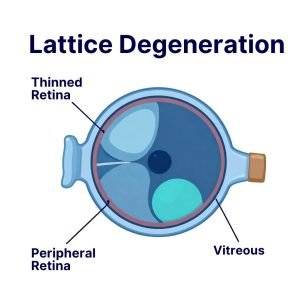
What Is Lattice Degeneration?
Lattice degeneration is a thinning of the peripheral retina that can increase the risk of retinal tears and retinal detachment. It affects the outer edges of the retina, where the tissue is the thinnest and more likely to develop tiny breaks or tears.
Lattice degeneration is linked to nearsightedness, getting older, and a history of eye problems in the family. However, the specific etiology is not entirely understood. Many people have this problem and don’t go blind, but it’s vital to get a regular retinal exam to detect any changes before issues develop.
Lattice Degeneration Symptoms
The problem with lattice degeneration of the retina is that many people have no symptoms at all. Many patients with lattice degeneration have no symptoms and are diagnosed during a dilated eye examination.
However, patients may experience the following problems:
- Flashes and floaters in the eye
- Sudden Increase of Floaters
- Brief bursts of light at the edge of your sight
- Blurred or distorted eyesight
- A shadow or curtain falls over part of the viewing field
These could also be retinal tear symptoms, which necessitate prompt evaluation by a retina specialist.
People with lattice degeneration are more likely to develop retinal tears, especially if they are seeing flashes of light or new floaters. If you experience unexpected changes in your eyesight, you should get a prompt evaluation.
Why is early diagnosis important?
Getting regular retinal exams is an important part of keeping your eyesight. Seeking regular eye exams can help find problems before they affect your vision.
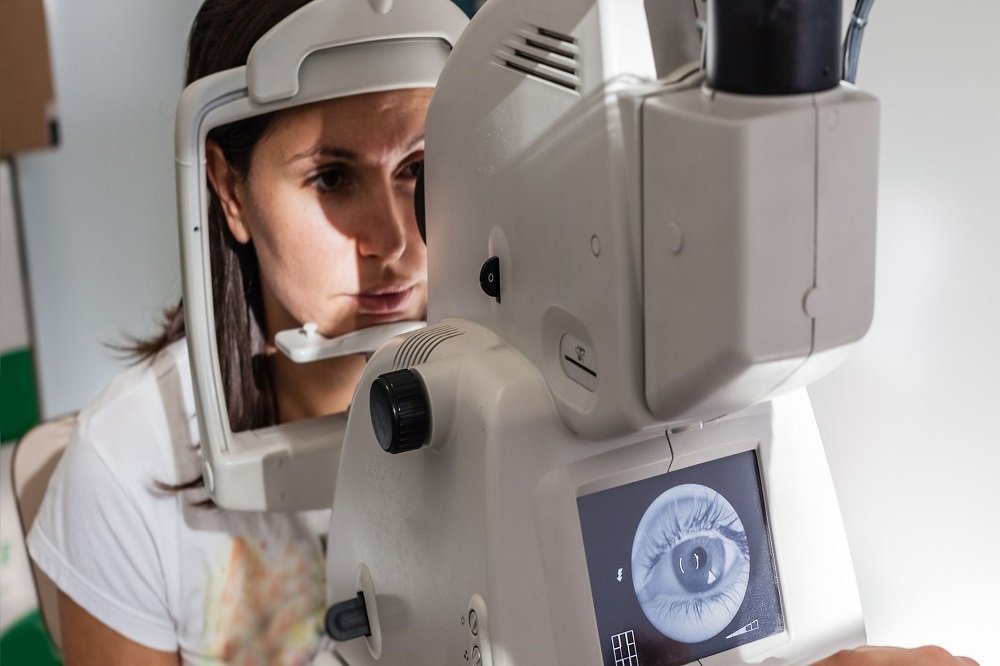
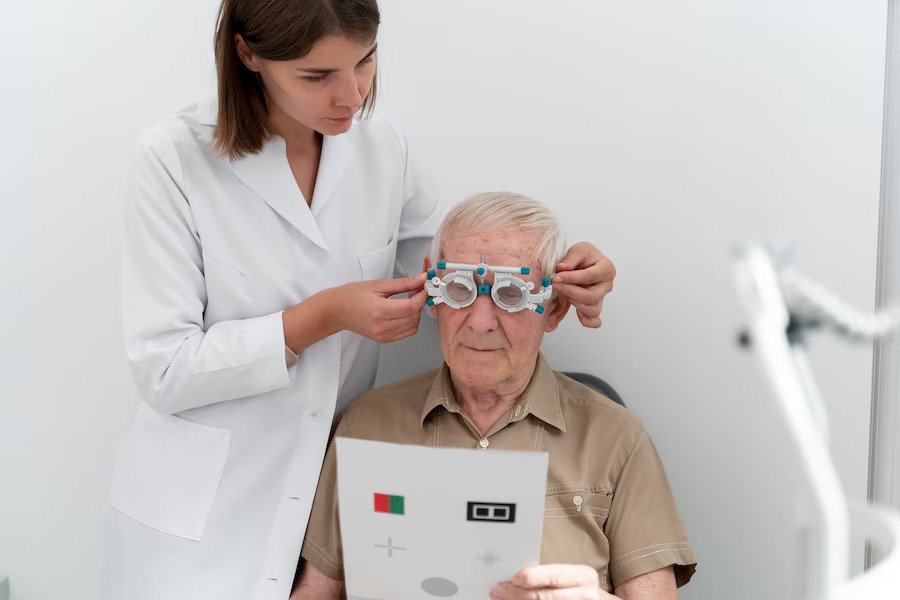
In a fully dilated retinal exam, your retinal expert will carefully look at the periphery of your retina for thinning, holes, or tears. More sophisticated retinal imaging can also be used to monitor changes over time.
If it is identified early, professionals can assess whether observation or therapy is the appropriate course of action for your specific case.
Lattice Degeneration Treatment in Texas
Not all patients with lattice degeneration require treatment right away. It depends on the look of the retina, your symptoms, and your overall retinal detachment risk.
If needed, lattice degeneration treatment in Texas may include the following:
Observation and Monitoring: Regular monitoring is the best thing to do for most people who don’t have retinal tears or other symptoms. Regular exams of the retina help find changes before they become dangerous to your vision.
Laser Retina Surgery: If weak spots or tears in the retina are found, laser surgery may be suggested. Laser retinopexy treatment makes small scars that protect the damaged retina. This procedure lowers the risk of the condition getting worse and of the retina separating.
Cryotherapy: In some circumstances where laser treatment is not a possibility, freezing therapy can be used to seal up retinal tears.
Surgical Treatment: If retinal detachment happens, surgery must be done right away to restore and protect eyesight.
An early diagnosis lets your retina specialist figure out the best way to treat you based on the specific findings in your retina.
Retinal Tear Prevention
Retinal tear prevention is one of the main goals of treating lattice degeneration.
Patients can help to reduce their risk by:
- Routine dilated retinal visits
- Report new floaters and flashes in the eye promptly
- Protect the eyes from trauma
- Following the suggestions for activities after eye procedures
- Routine Eye Care for High Myopia
Early detection and monitoring can help reduce the risk of serious retinal complications.
Retinal Detachment Risk: What You Should Know
While most individuals with lattice degeneration will never have retinal detachment, the condition does raise the chance of retinal tears.
Fluid may pass through a retinal tear and pull the retina off the back of the eye. It is called retinal detachment. Permanent visual loss can occur without timely treatment.
The warning signals are:
- Sudden increase in the floaters
- Streaks of bright light
- Loss of peripheral vision
- A curtain-like shadow over the vision
If you experience these retinal tear symptoms, seek immediate care from a retina specialist.
Why Choose a Retina Specialist in Sherman Texas?
People with lattice degeneration need expert retinal treatment, not an eye checkup. An advanced fellowship-trained retina specialist in Sherman, Texas, knows how to find and treat diseases of the retina.
Texoma Retina provides complete retinal exams and treatment of lattice degeneration in Sherman, McKinney, Allen, Paris, and neighboring North Texas cities.
Our fellowship-trained retina experts monitor and treat retinal disorders to help preserve long-term vision.
Specialist eye experience enables prompt diagnosis and correct care, whether it is for routine monitoring, laser therapy, or assessment of new problems.
When Should You Get Your Eyes Examined?
Don’t wait until vision changes are extreme.
If you are diagnosed with lattice degeneration or have new vision issues, undergo a thorough retinal exam.
Patients should also be promptly evaluated if they have:
- Sudden appearance of floaters and flashes in the eye
- New blind spots.
- Peripheral vision loss
- Sudden vision change
- Symptoms after eye injury
Treating it promptly can avert more serious retinal problems and save your vision.
Expert Lattice Degeneration Care at Texoma Retina & Glaucoma
The first step to protecting your vision is expert retinal care. Looking for lattice degeneration treatment in Texas or an experienced retina specialist in Sherman Texas? Call our staff at Texoma Retina & Glaucoma. Our retina specialists are fellowship-educated and use the latest diagnostic equipment and evidence-based treatment to monitor lattice degeneration, prevent retinal problems, and maintain your sight. If you’ve recently been diagnosed with eye floaters and flashes or need continuing retinal care, Texoma Retina & Glaucoma in Sherman, TX offers compassionate, tailored therapy to help protect your vision for years to come.
Frequently Asked Questions
Lattice degeneration alone does not necessarily lead to retinal detachment. However, it raises the risk of retinal tears, which can proceed to retinal detachment if left untreated. Regular retinal checkups detect alterations early.
Most people have no symptoms. Symptoms may include eye floaters and flashes, blurred vision, or sudden changes in peripheral vision. Such symptoms should be evaluated soon.
A retina expert may find lattice degeneration during a full dilated retinal exam. Additional retinal imaging can be performed to visualize the peripheral retina and to monitor for change.
Not necessarily. Many patients need merely routine observation. Treatment is often advised in the presence of retinal tears or if the retina has traits that predispose it to retinal detachment.
Yes. Routine dilated retinal exams are important since many patients are asymptomatic. Periodic monitoring by retina specialists can help detect retinal tears and other issues before visual loss develops.
Request an
Appointment
Opening Hours
Calls are taken 24/7 for emergencies
Available on Saturday and Sunday for Emergency only. Call for appointment
LOCATIONS AND DIRECTIONS