


How Diabetes Affects Your Eyes
Both people with type 1 and type 2 diabetes are at risk of developing diabetic eye disease. Changes in glucose levels can cause temporary vision blurring. When blood sugar levels rapidly change either high or low, the eye’s lens can either swell or shrink, causing changes in how the light focuses. This results in blurred vision, and may happen during blood sugar spikes and following insulin injections/medication. Over time, high levels of glucose in the blood can cause permanent damage to blood vessels and nerves in the eye. This can cause leakage and swelling of blood vessels as well as abnormal new growth of blood vessels. This damage can cause eye diseases in people with diabetes.
Diabetic Retinopathy
Diabetic retinopathy is caused by damage to blood vessels in the retina (light-sensitive layer in the back of the eye). Between 25-30 percent of Americans diagnosed with diabetes have some stage of diabetic retinopathy, and it is the leading cause of blindness in working-age adults.
Who is at risk?
People with a longer history of diabetes and smokers have a higher risk of developing diabetic retinopathy, along with other eye diseases such as glaucoma. Patients with prolonged high blood sugar levels, high blood pressure, high cholesterol, and other diabetic conditions are more likely to develop diabetic retinopathy.
Symptoms:
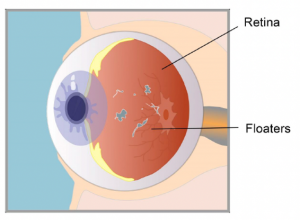
There may be minimal changes in vision during the early stages of diabetic retinopathy. However, as the disease progresses, symptoms can include impaired vision, floaters, difficulty with night vision, and impaired color vision. As symptoms worsen, blind spots, vision loss, and flashing lights may occur.
Prevention and Treatment:
The best way to lower the risk of developing diabetic retinopathy is to attend regular eye exams. As patients in the early stages may not experience symptoms, and to maintain controlled blood-sugar levels.
Reversing diabetic retinopathy is impossible. Treatment from your ophthalmologist acts to slow the progression of diabetic retinopathy. Blood sugar management, eye injections, laser therapy, and surgery to prevent vision loss are treatments.
Macular Edema
Macular edema is a complication of diabetic retinopathy. It occurs when the macula, an area of the retina, swells from fluid leaking from damaged or abnormal blood vessels caused by diabetic retinopathy. Swelling of the macula can lead to a loss of sharp, central vision. About half of people with diabetic retinopathy develop macular edema.
Symptoms:
Symptoms of macular edema include central blind spots, blurriness in the center of vision, double vision, floaters, and loss of detailed vision.
Glaucoma
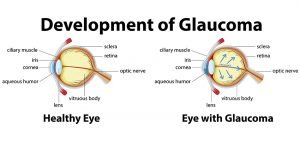
Glaucoma is twice as likely to happen to people who have diabetes. It is a disease associated with increased eye pressure, leading to optic nerve damage. High blood sugar levels can damage blood vessels in the optic nerve. With diabetic retinopathy, weakened blood vessels or the growth of abnormal blood vessels can block the drainage system in the eye. This can increase the pressure in the eye and lead to glaucoma. Diabetes can increase oxidative stress and fibronectin accumulation, leading to damage in the optic nerve as well.
Symptoms:
Known as the “silent thief of sight,” individuals may not notice the early stages of glaucoma before a substantial amount of vision has been lost. As glaucoma As the condition progresses, symptoms may include loss of peripheral vision, halos around lights, redness in the eye, and eye pain. In the case of severe eye pain, seek immediate medical assistance.
Prevention and Treatment:
Regular eye exams are recommended along with maintaining stable blood sugar levels, managing high blood pressure and cholesterol, living a healthy lifestyle, and addressing diabetic retinopathy.
While there is no cure for glaucoma, there are several treatments that can work to prevent further vision loss in patients. Treatments include eye drops, laser therapy, and, in some cases, surgery.
Cataracts:
Diabetes can cause increased progression of cataracts. Cataracts is a condition where the lens of the eye becomes cloudy, leading to blurred vision. Most people will get cataracts as they become older. It is non life threatening, but left untreated could lead to severe vision impairment.
High glucose levels, oxidative stress, and sorbitol buildup from diabetes can damage the lens, leading to cataracts.
Treatment:
Treatment includes cataract surgery, which is generally safe and recommended for patients with progressed cataracts in the eyes. Cataract surgery replaces the lens in the eye, which can lead to significant vision improvement.
Why Should You Consider Texoma Retina & Glaucoma in Sherman, TX?
Looking for retina and glaucoma specialists in Sherman, TX?In Sherman, Denison, McKinney, Allen, and other North Texas cities, Texoma Retina & Glaucoma provides patient-centered eye care. No matter if you need a regular glaucoma eye exam, an eye exam for diabetics, or specialized treatment for your retina, our experienced team uses cutting-edge diagnostic technology to find eye diseases early and make custom treatment plans that help protect your sight. We provide complete glaucoma care in North Texas, using the most up-to-date medical technology and compassionate care.
Experienced Glaucoma Specialist in Texas and Advanced Retina Care-
These are the doctors at Texoma Retina & Glaucoma: Dr. Vijay Khetpal, MD, and Dr. Rupak Dhoot, MD, have a lot of experience identifying and treating glaucoma and retinal diseases. Skilled care is given that is tailored to each patient’s needs. They give everything from diabetic retinopathy and macular degeneration to retinal tears, retinal detachments, and glaucoma management. As respected glaucoma specialists in Texas, their main goal is to protect vision by finding the disease early, doing thorough exams, and offering treatment choices that are backed by evidence and provide the best eye care.
Schedule Your Glaucoma Eye Exam in Sherman, TX-
Eye problems caused by diabetes often don’t show any signs until permanent damage has been done to the vision. That’s why getting regular eye exams is so important for keeping your eyes healthy. If you have diabetes or your eyesight is deteriorating, don’t delay to receive a comprehensive glaucoma eye exam and retinal examination at Texoma Retina & Glaucoma in Sherman, TX. With the help of Dr. Vijay Khetpal, and Dr. Rupak Dhoot, you can get a quick evaluation, the best glaucoma treatment in North Texas, and specialized retinal care that will help you keep your sight for years to come.