


Signs You Need a Retina Specialist
As individuals age, experiencing certain changes in overall health is common. However, preserving the health of your eyes should remain a top priority. Understanding the role of the retina and recognizing the warning signs of potential complications can help preserve your vision for as long as possible.
What is the Retina?
The retina is a highly sensitive, light-sensitive layer of tissue located at the back of the eye. Its primary function is to capture incoming light and convert it into electrical signals. They are then transmitted via the optic nerve to the brain to be processed into images. Because it connects external light to visual perception, the retina is a key part of your sense of sight.
The Role of a Retina Specialist
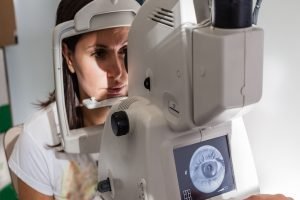
A retina specialist is an ophthalmologist who has undergone advanced fellowship training to diagnose, manage, and treat complex diseases and damage affecting the retina and vitreous. The primary objective of a retina specialist is to preserve and maintain as much of your vision as possible through tailored medical or surgical interventions.
Key Warning Signs of Retinal Damage
While some changes to vision can occur gradually with age, certain symptoms indicate a potential issue with the retina that requires specialized evaluation.
Visual Alterations
-
- Distorted or Blurred Vision: Straight lines appearing wavy, bent, or distorted or a general decline in central vision clarity.
- Dark Spots: Fixed dark or blank spots (scotomas) appearing within your field of vision.
- Loss of Peripheral Vision: A noticeable reduction in your side or ambient vision.
- Altered Color Perception: Colors suddenly appear faded, washed out, or less vibrant than usual—particularly in one eye compared to the other
Urgent Symptoms
- Sudden Increase in Floaters: While occasional floaters (small specks or webs drifting across your vision) can be benign aging changes, a sudden, dramatic increase in their number can indicate retinal traction or damage.
- Flashing Lights: Photopsia, or seeing sudden flashes of light, often serves as a warning sign of a retinal tear or the early stages of detachment.
Medical Emergencies
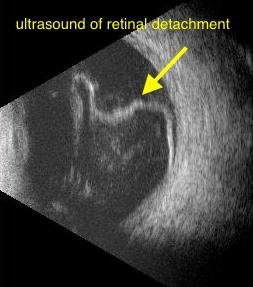
A curtain-like shadow descending over any part of your field of vision, or a sudden, painless loss of vision—especially when accompanied by flashing lights and a sudden influx of floaters—frequently signifies a retinal detachment.
Important: A suspected retinal detachment is a medical emergency where hours matter in preserving your sight. If you experience these emergency symptoms, proceed directly to the nearest hospital emergency room or contact your ophthalmologist or an eye clinic immediately.
The visual changes outlined above are often primary indicators of specific, progressive retinal conditions:
- Age-Related Macular Degeneration (AMD): Wavy lines, blurred central vision, and faded colors often indicate AMD. This condition affects the macula, the area of the retina responsible for sharp, straight-ahead sight.
- Macular Edema or Diabetic Retinopathy: General blurriness and dark spots frequently signify that blood vessels are leaking fluid into the retina, a common complication of diabetes.
- Retinal Tears or Detachment: A shadow creeping across your vision or a loss of peripheral vision often means the retina is physically pulling away from the back of the eye.
- Advanced Glaucoma: A gradual reduction in side (peripheral) vision can indicate optic nerve or widespread retinal damage.
Early detection through a specialized exam is essential, as we can effectively manage many of these conditions if we catch them before permanent damage occurs.
Managing Chronic Health Conditions
Certain systemic health issues directly impact the blood vessels in the back of the eye. Individuals with the following diagnoses should see a retina specialist for regular preventative screenings, even if they are not currently experiencing vision changes:
- Diabetes: High blood sugar can lead to diabetic retinopathy, a leading cause of blindness that often develops without early symptoms.
- High Blood Pressure (Hypertension): Chronic hypertension can damage retinal blood vessels, potentially leading to a retinal vein or artery occlusion (commonly referred to as an “eye stroke”).
High Myopia (Severe Nearsightedness)
Individuals who are highly nearsighted have physically longer eyeballs, which stretches the retina and makes it naturally thinner. If you have a prescription for severe nearsightedness, you are statistically at a much higher risk for developing retinal tears, holes, or detachments and should be monitored routinely.
When to See a Retina Specialist?
Many retinal diseases are painless and often show no symptoms until they start to compromise vision. You should schedule an appointment with a retina specialist immediately if you experience:
- Shooting flashes of light
- Sudden increase in floaters
- Blurry or distorted vision
- Loss of central or peripheral vision.
- A shadow or dark curtain over your eye
- Difficulty in reading or identifying faces
- Vision changes from diabetes or high blood pressure
Early diagnosis can avoid loss of vision and may allow for less invasive treatment.
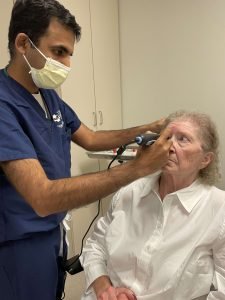
How Does a Retina Specialist Diagnose Retinal Disorders?
The retina specialist can do modern diagnostic testing to detect retinal problems before they cause irreversible damage. Your evaluation might be the following:
- Complete dilated eye exam
- Optical Coherence Tomography (OCT)
- Fluorescein Angiography Fundus Photography Ocular Ultrasound (when necessary)
These imaging technologies enable accurate diagnosis and tailored therapy planning.
Common Retinal Conditions Treated
A retina specialist diagnoses and cures numerous complicated eye illnesses, including:
- Age-Related Macular Degeneration (AMD)
- Diabetic Retinopathy
- Diabetic Macular Edema
- Retinal Tears
- Retinal Detachment
- Macular Hole
- Macular Pucker (Epiretinal Membrane)
- Retinal Vein Occlusion
- Retinal Artery Occlusion
- Vitreous Hemorrhage
- Posterior Vitreous Detachment (PVD)
Improved Expert Care for Your Vision
Your eyesight needs special care from retina specialists with a lot of experience. At Texoma Retina and Glaucoma, we use the most up-to-date diagnostic imaging and microsurgical technology to fully diagnose eye diseases and treat them medically as well as surgically.
Whether you need help with flashing lights and floaters, retinal tears, diabetic eye disease, or a retinal detachment treatment in Texas, our experienced team is dedicated to keeping your vision by giving you quick, individualized care.
As a reputable retina specialist in Sherman, TX, we are happy to serve patients from Sherman, Denison, Texoma, North Texas, and southern Oklahoma. We provide expert care for both short-term and long-term retinal conditions. Don’t wait if you notice quick changes in your vision. Our team offers prompt emergency eye care in Texas for retinal tears, retinal detachments, macular degeneration, diabetic retinopathy, and other conditions that can threaten your sight.
Trust Texoma Retina and Glaucoma for compassionate care, cutting-edge treatment choices, and long-term retinal health when your eyesight is at risk.