



Uveitis
Uveitis Treatment in Sherman, TX
Advanced Uveitis Care at Texoma Retina
Uveitis is a dangerous inflammatory condition of the eye that needs urgent medical intervention to protect your sight. At Texoma Retina, we provide comprehensive uveitis treatment in Texas for patients experiencing eye inflammation, blurred vision, floaters, and other symptoms. To help people keep their sight and take care of both simple and complicated cases of uveitis, our fellowship-trained retina experts use cutting-edge diagnostic imaging and personalized treatment plans.
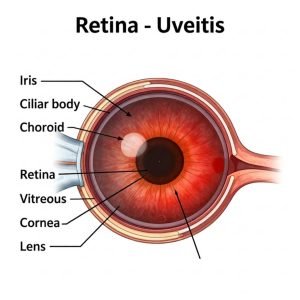
Uveitis is inflammation of the uvea, the central layer of the eye. It can impact the iris, ciliary body and retina and cause pain, redness and blurred vision. If uveitis is not treated, it might result in irreversible vision loss. Early diagnosis and treatment can lead to far better outcomes and decrease the chance of long-term problems.
What Is Uveitis?
The uvea is the central layer of the eye which provides blood to critical tissues in the eye. When inflammation happens in this layer, it is termed uveitis. Inflammation can occur in the front, middle or back of the eye and sometimes in the whole eye, depending on which portion of the eye is afflicted.
Uveitis can be caused by autoimmune illnesses, infections, trauma or occasionally without a definite cause. Inflammation can spread to the retina and other delicate structures, therefore you need to get evaluated promptly by a Uveitis specialist in Texas. Starting treatment early, before difficulties emerge, may help maintain vision and prevent persistent inflammation.
Uveitis Symptoms
Symptoms of uveitis depend on the location and severity of the disease. Some patients have rapid changes, while others have symptoms that worsen slowly over several days.
The primary symptoms include eye pain, redness, sensitivity to light, floaters and blurred vision. Symptoms may come on rapidly and get worse quickly. Some patients may not have symptoms until the inflammation is advanced.
Common symptoms include:
- Eye pain
- Redness
- Blurred vision
- Light sensitivity
- Floaters
- Reduced vision
- Excessive tearing
Any rapid change in vision or persistent irritation in the eyes should never be overlooked. Early evaluation helps to determine if symptoms are due to uveitis or another retinal problem that needs prompt care.
Causes and Risk Factors
Several things can cause uveitis. In some cases, inflammation is associated with autoimmune illnesses such as rheumatoid arthritis, lupus, ankylosing spondylitis, or sarcoidosis. Some people have uveitis as a result of infections with bacteria, viruses, fungi, or parasites. A previous eye injury or surgery may also be a danger.
Uveitis can be connected with autoimmune disease, infectious disease, or trauma. However, many cases are idiopathic, meaning no specific cause is known. Whatever the reason, early assessment and treatment are important to minimize inflammation and reduce the likelihood of vision-threatening consequences.
How Is Uveitis Diagnosed?
Uveitis can only be diagnosed after a thorough eye exam by a retina specialist with a lot of experience. At Texoma Retina, we use cutting-edge imaging technology to do thorough exams of the retina to look for inflammation and see if the retina or any other structures have been affected.
A dilated retinal exam, optical coherence tomography (OCT), wide-field retinal imaging, and other specialized diagnostic tests may be part of your exam if they are needed. To avoid problems like glaucoma or retinal damage, you should get checked out right away. Our skilled retina specialist for uveitis in Sherman TX does thorough evaluations of each patient to make sure they get the best care possible.
Uveitis Treatment in Sherman, TX, Options
Treatment for uveitis depends on the type, how bad it is, and what’s causing it. The main goal is to reduce swelling, ease symptoms, and prevent permanent damage to the eye.
Treatment may include:
- Steroid eye drops
- Oral corticosteroids
- Steroid injections
- Immunosuppressive medications
- Biologic therapies
- Treatment for infections when necessary
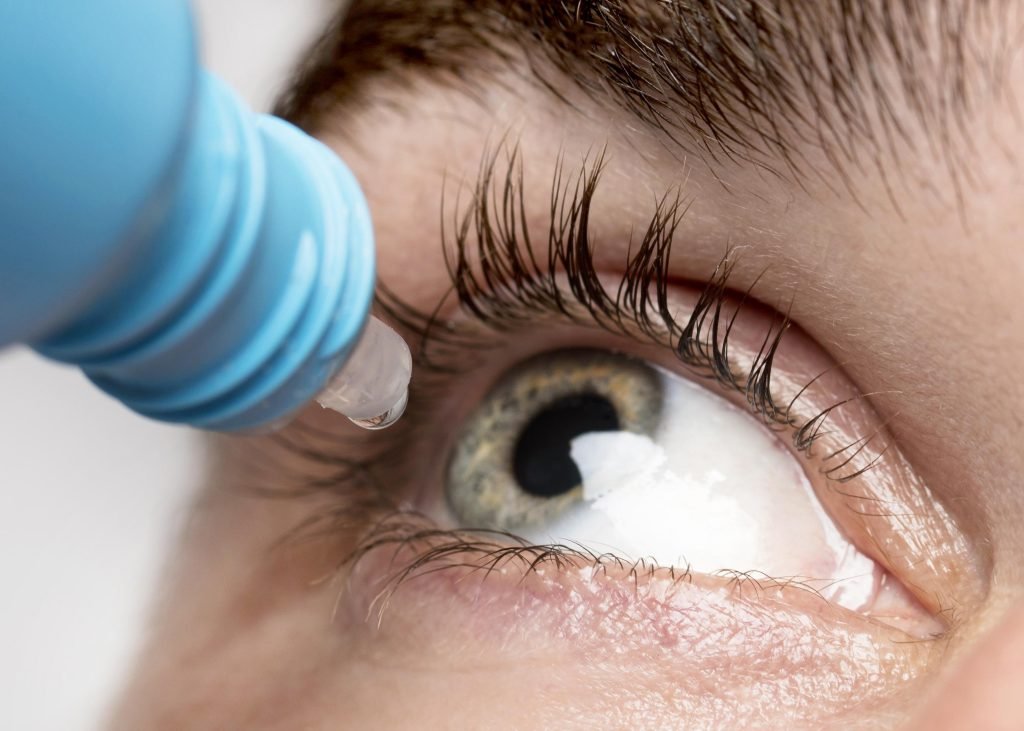
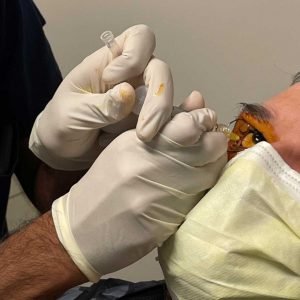
Steroid eye drops, injections, or systemic medications are used to reduce inflammation as part of treatment. In severe cases, immunosuppressant treatment may need to be used for a long time. So, quick evaluation is an important part of good care because early diagnosis greatly improves treatment results.
Why Choose Texoma Retina?
Texoma Retina is committed to offering cutting edge retinal care by using cutting edge diagnostic tools and treatments that have been shown to work. Our fellowship-trained doctors have a lot of experience diagnosing and treating inflammatory eye diseases. They also work closely with patients to make sure they get the best care possible.
We help people in Sherman, Allen, McKinney, Gainesville, and other North Texas cities with advanced diagnosis and treatment for uveitis. Our fellowship-trained retina specialists use cutting-edge diagnostic imaging to treat complicated inflammatory eye diseases. Our goal is to protect your vision by quickly diagnosing the problem and giving you individualized care. This is true whether you need regular checks or specialized Eye inflammation treatment Texas. Patients seeking uveitis treatment in Texas can rely on our experienced team for compassionate, expert care.
Frequently Asked Questions
Yes. If you don't treat uveitis, it could lead to glaucoma, cataracts, retinal swelling, or losing your sight permanently. These risks are much lower when treatment starts early.
Steroid eye drops, oral medications, injections, immunosuppressive therapy, or medications to treat infections may be used to treat the underlying cause.
People who have sudden eye pain, redness, fuzzy vision, or more floaters should see a doctor right away. Putting off treatment raises the chance of losing your sight permanently.
Yes. Some types of uveitis can come back, especially if they are linked to inflammatory diseases. Follow-up trips on a regular basis help check for recurrence.
If you have eye pain, redness, blurred vision, floaters, or sensitivity to light, you should see a doctor right away. A Retina specialist for uveitis Sherman TX can find the problem quickly and suggest the best way to treat eye inflammation to keep your vision safe.
Request an
Appointment
Opening Hours
Calls are taken 24/7 for emergencies
Available on Saturday and Sunday for Emergency only. Call for appointment
LOCATIONS AND DIRECTIONS