



cystoid macular edema
Cystoid Macular Edema (CME) Treatment in Texas-
Expert Care for Blurred Vision After Cataract Surgery:
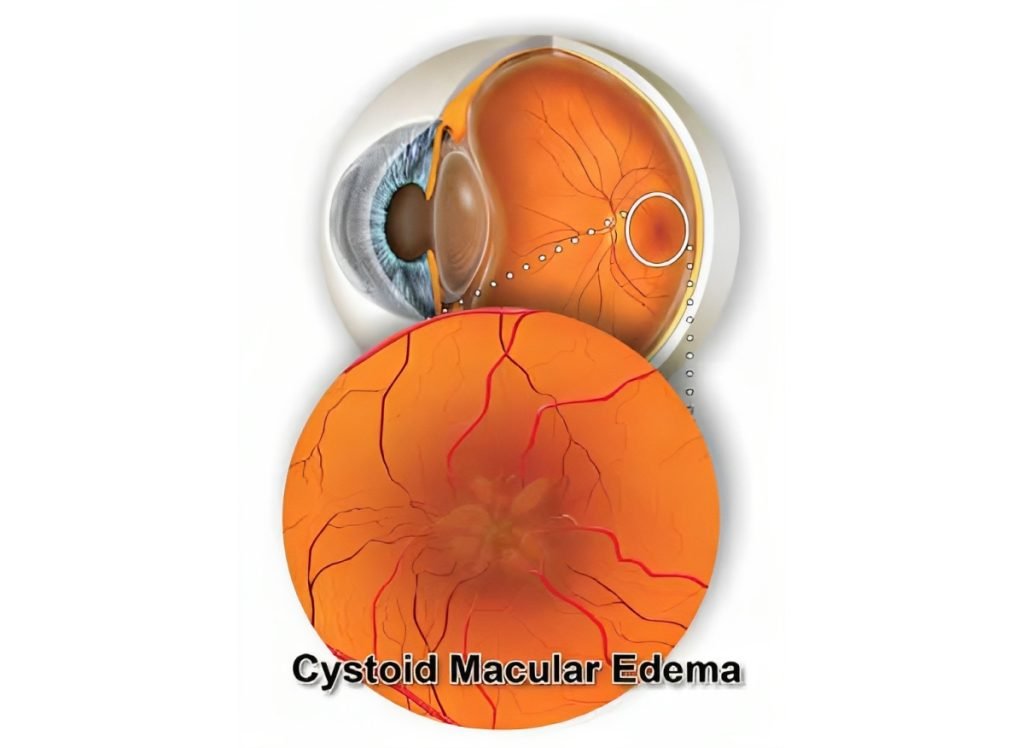
Cystoid Macular Edema (CME) is one of the most prevalent causes of blurry vision after cataract surgery. Cataract surgery is very successful in restoring vision, but some individuals may have swelling in the central retina (macula) during the healing process of the eye. This swelling can compromise crisp, detailed vision and make routine tasks such as reading, driving or recognizing faces more difficult.
Our experienced retina experts at Texoma Retina and Glaucoma use the most up-to-date diagnostic tools and therapies based on scientific evidence to provide advanced cystoid macular edema treatment. If you experienced your symptoms during cataract surgery or for any retinal issue, our goal is to reduce swelling, safeguard your vision and provide the best possible visual outcome.
What Is Cystoid Macular Edema?
Cystoid Macular Edema (CME) is a type of eye condition where fluid develops in small, cyst-like areas inside the macula, the core part of the retina responsible for detailed vision. As fluid collects into these pockets, the macula becomes thick and swollen, causing distorted or impaired central vision.
While CME is most commonly associated with post-cataract swelling of the eye, it can also arise from diabetes, retinal vein blockage, inflammation inside the eye (uveitis), or following other eye procedures.
Early diagnosis is important because if the swelling is not treated, it can damage the fragile retinal tissue and may lead to long-term visual difficulties.
What causes macular swelling?
There are several macular swelling causes, including:
- Post-cataract surgery inflammation
- Diabetic retinopathy.
- Retinal vein occlusions
- Uveitis (inflammation of the eye)
- Epiretinal membranes
- Eye injury
- Certain medicines
- Previous eye surgery
After cataract surgery, inflammation may cause tiny blood vessels in the retina to leak fluid into the macula. It is called Irvine-Gass Syndrome, and it usually arises several weeks following the operation.
Patients with diabetes, prior retinal illness, or chronic inflammation are at increased risk for CME.
Symptoms of Cystoid Macular Edema
Symptoms might develop gradually or unexpectedly following surgery or retinal disease.
The most common symptoms are:
- Cloudy or blurred center vision
- Distorted vision (straight lines seem wavy)
- Trouble reading
- Reduce color brightness
- face-blindness
- Decreased vision
- Vision not improving after cataract surgery
Schedule an appointment right away with a retina expert if you have persistent blurred vision after cataract surgery.
How Is CME Diagnosed?
Diagnosis process starts with a thorough retinal examination at Texoma Retina and Glaucoma.
Your retina specialist may perform:
- Dilated retinal examination
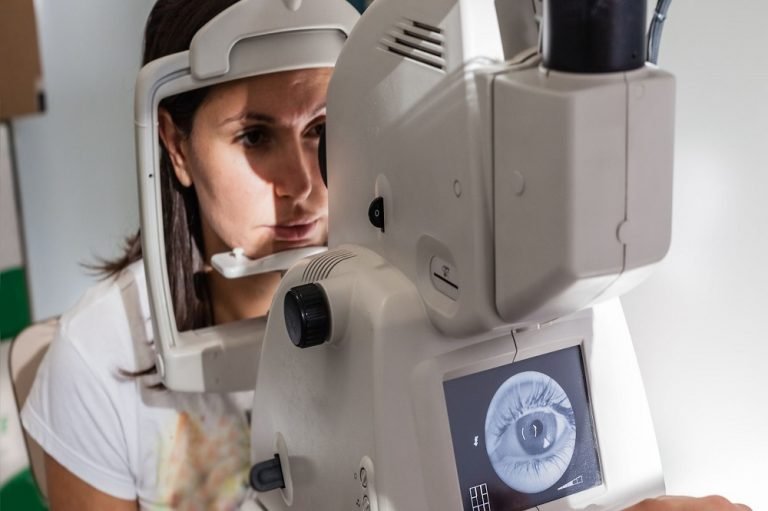
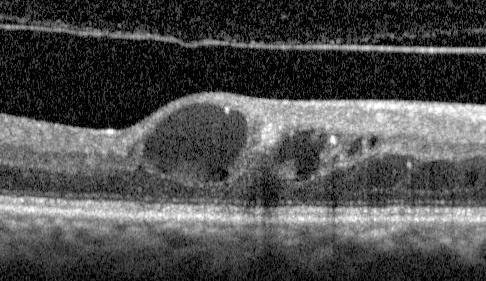
- Optical Coherence Tomography (OCT)
- Fluorescein angiography (if needed)
- Testing of visual acuity
- Retinal imaging
OCT is particularly useful because it can produce comprehensive cross-sectional images of the retina. These images allow your doctor to see even modest amounts of edema and to track the course of treatment.
Cystoid Macular Edema Treatment
Treating cystoid macular edema depends on what’s causing it and how bad the eye swelling is. Many people regain great vision with early treatments.
Possible treatment possibilities include the following:
Eye Drops for Inflammation:
Commonly used are prescription steroid and non-steroidal anti-inflammatory (NSAID) eye drops, particularly in mild cases following cataract surgery.
Eye Injection for Macular Edema:
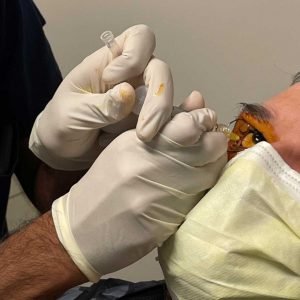
If swelling is severe or continues for a period of time, your retina specialist might suggest an eye injection for macular edema. Injected medications to minimize inflammation and fluid leaks within the retina.
Given the reason, injections might include
- Anti-VEGF medications
- Corticosteroid injections or implants
These are office procedures, performed under sterile conditions and are usually well tolerated.
Oral or Injectable Medications:
Patients may be given additional medicine to decrease inflammation, which is causing edema in the retina.
Treating the Underlying Cause:
Treating the condition that is causing the swelling, such as diabetes, retinal vein blockage, or uveitis, is also part of successful macular edema treatment.
Recovery from CME treatment:
Recovery varies with the degree of edema and the underlying medical condition.
Once the inflammation is under control, many individuals improve gradually over weeks to months. Follow-up visits are necessary because the OCT imaging lets your physician check the healing process and see if more treatment is needed.
Early diagnosis is frequently associated with better visual outcomes.

When to visit a retina specialist?
Schedule an appointment if you have:
- Persistent hazy vision after cataract surgery
- Sudden decrease in central vision
- Blurred or changed eyesight
- New glasses make it hard to read
- Reduced eyesight following retinal disease treatment
Early assessment by a retina specialist can help prevent permanent retinal damage and boost the chances of vision recovery.
Why Choose Texoma Retina and Glaucoma?
Texoma Retina and Glaucoma offers advanced retinal care to patients in Sherman, Denison, Gainesville, Bonham, Durant, and locations throughout North Texas.
Patients trust our practice because we provide:
- Fellowship-trained retina specialists
- Retinal imaging at the state of the art
- Advanced injection treatments
- Personalized treatment plans
- Patient-centered, compassionate treatment
- Complete management of complicated retinal disorders
Our team is dedicated to helping you save your vision, whether it’s for evaluation of post-cataract swelling eye, diabetic retinal disease or other retinal problems.
Medical Authority:
Medically reviewed and treated by an experienced retina specialist in Texas at Texoma Retina and Glaucoma. Our doctors detect and treat cystoid macular edema and other retinal diseases using state-of-the-art diagnostic imaging and evidence-based treatment procedures, while offering tailored patient care.
Frequently Asked Questions
CME occurs when inflammation after cataract surgery causes fluid to leak from small blood vessels in the retina into the macula. It is uncommon, yet one of the leading causes of blurry vision after successful cataract surgery.
In many cases, CME is transient and responds well to early therapy. However, if left untreated for a long time, the chronic swelling can damage the macula and cause permanent visual problems. The sooner you assess the condition, the better the chances of a full recovery.
The length of time it takes to heal depends on the severity and source of the ailment. In mild cases, improvement may be seen within several weeks. More complex cases may require several months and continued monitoring and treatment.
The best treatment depends on the underlying reason. Anti-inflammatory eye drops, steroid medications, anti-VEGF therapy, and an eye injection for macular edema are among the most commonly recommended options. Your retina specialist will determine the best approach based on your retinal examination and OCT findings.
Yes. CME can recur, especially if the underlying condition—such as diabetes, retinal vein occlusion, or chronic eye inflammation—remains active. Regular follow-up appointments with your retina specialist help detect recurrence early and allow prompt treatment to preserve vision.
Request an
Appointment
Opening Hours
Calls are taken 24/7 for emergencies
Available on Saturday and Sunday for Emergency only. Call for appointment
LOCATIONS AND DIRECTIONS