



What is Glaucoma?
Glaucoma Treatment in Allen TX
What is glaucoma?
Glaucoma is a group of eye diseases that damage the optic nerve and retinal ganglion cells. These cells are important for sending vision information from the eye to the brain. The optic nerve acts like a communication wire, sending signals that make it possible for you to see clearly. Damage to this nerve can result in permanent vision loss to peripheral (side) vision and then, in advanced cases, central vision. Glaucoma is sometimes referred to as the “silent thief of sight” since it usually progresses with no visible symptoms. It is the second biggest cause of blindness worldwide after cataracts. Early detection and treatment are crucial.
If you are seeking glaucoma treatment in North Texas, the first step in safeguarding your vision is understanding how glaucoma develops. Regular eye exams can detect the disease before it causes any permanent damage.
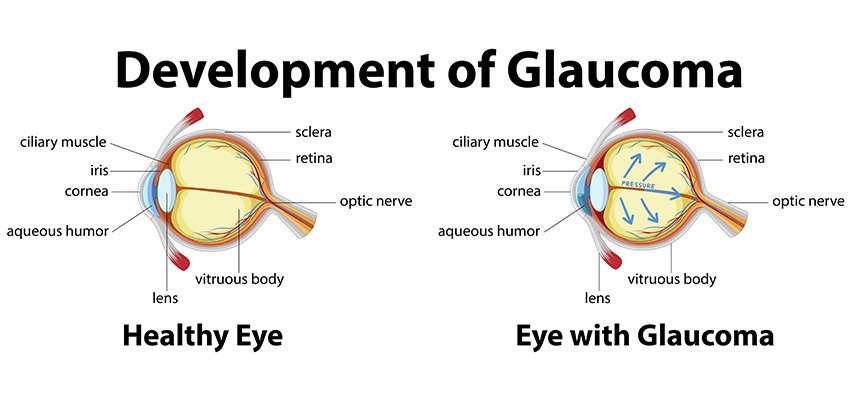
What Causes Glaucoma?
One of the most significant risk factors for glaucoma is high intraocular pressure (IOP), or pressure within the eye. High pressure inside the eye has been demonstrated for decades by clinical studies to be a major risk factor both for developing glaucoma and for its progression. There are many things that can cause glaucoma, and eye pressure is just one of them.
Most healthy people have ocular pressure in the range of 10 to 21 mm of mercury, but there is no single “normal” number that is right for everyone. Some patients get optic nerve damage even when their eye pressure is in the normal range. It is called normal-tension glaucoma. Some individuals have elevated eye pressure for years without any optic nerve injury. Every person’s optic nerve reacts differently, which means that glaucoma diagnosis and treatment need to be tailored to each individual.
It’s also vital to know that blood pressure and eye pressure aren’t the same thing. Although they are separate measurements, your eye care physician may inquire about your blood pressure because it might affect blood flow to the optic nerve and may influence glaucoma risk.
What Causes High Eye Pressure?
The eye always secretes a clear fluid called the aqueous humor, which feeds the inner structures of the eye. Think of the eye as a sink with a faucet and a drain.
The ciliary body is the faucet that creates the fluid. The drain is a specific drainage system that begins with the trabecular meshwork, allowing fluid to leave the eye and join the bloodstream.
Eye pressure increases when fluid is produced faster than it drains or when the drainage system is less efficient. It is like a sink that floods because the drain is blocked or the tap is too high. Many therapies for glaucoma act by decreasing fluid production, increasing drainage, or developing a new drainage route.
Sometimes glaucoma occurs even when no anatomical defect may be found. These are often identified as primary open-angle glaucoma or normal tension glaucoma.
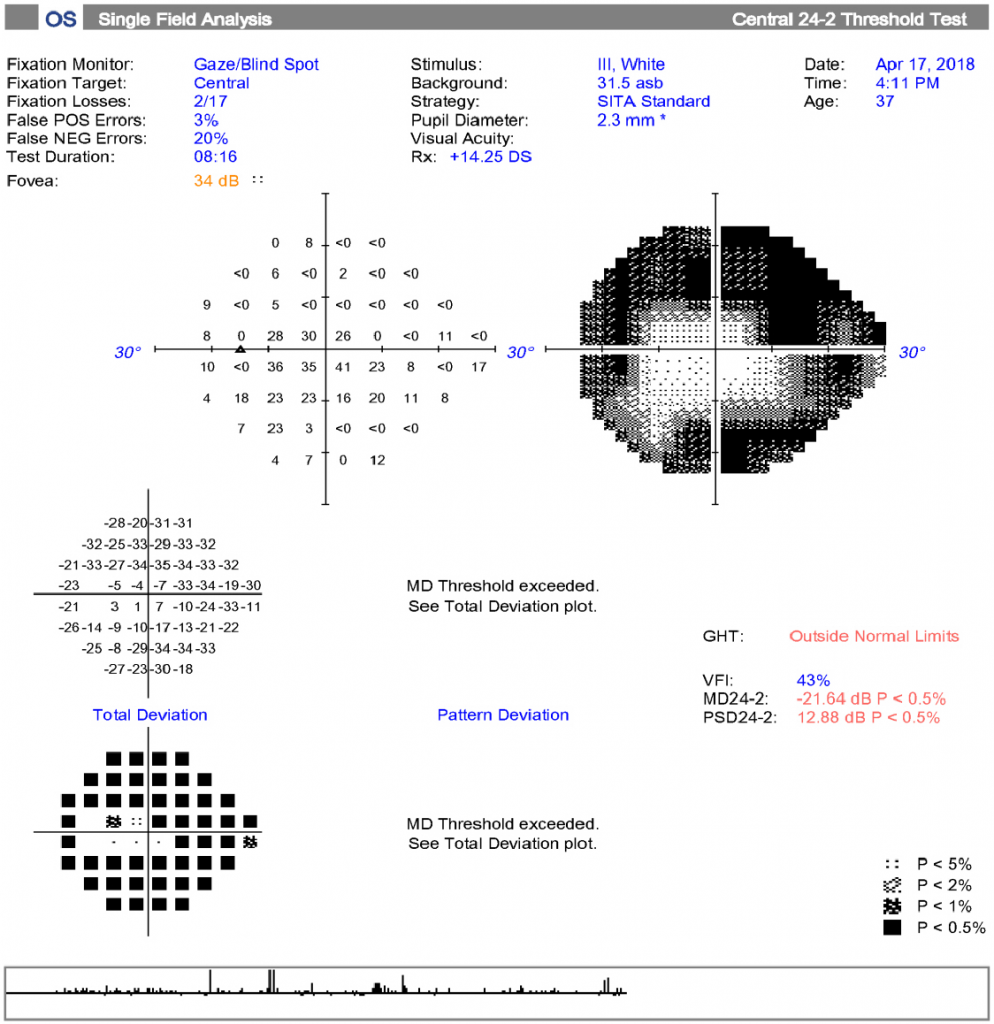
Types of Glaucoma
Many types of glaucoma exist, including:
- Mainly open-angle glaucoma is the type that most people have.
- Glaucoma with angle closure
- Glaucoma with normal tension
- Secondary glaucoma
- Congenital glaucoma
Each type of glaucoma needs a different way of being diagnosed and treated, so it’s important to get full eye exams to keep your vision.
Symptoms of Glaucoma
When glaucoma is first starting to show up, it can be hard because there aren’t many signs or symptoms. Patients may have the following as the illness gets worse:
- Loss of side (peripheral) vision over time
- Trouble seeing
- Having trouble seeing in dim light
- Outer rings around lights
- Eye pain or redness (more common with closed-angle glaucoma)
- Sudden loss of vision needs medical help right away.
Make an appointment right away with a glaucoma specialist in North Texas if you notice any of these signs. People over 40, people with diabetes, people with a family history of glaucoma, and people with high blood pressure in the eyes should get regular eye tests.
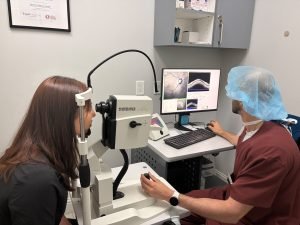

Expert Glaucoma Care in Allen Texas
If you choose an experienced glaucoma specialist in North Texas, you will have access to cutting-edge diagnostic tools and personalized treatment plans. Based on your specific eye health, a specialist can tell you the best way to treat your condition, whether it’s through regular checkups, medications, laser treatment for glaucoma, or surgery.
To slow the disease’s progression and protect vision, comprehensive advanced glaucoma management includes ongoing monitoring, making timely changes to treatment, and educating the patient. Advanced glaucoma management helps patients keep their quality of life and lowers their risk of going blind for good by giving them individualized care and the newest treatment options.
Schedule an appointment with a skilled glaucoma eye doctor in Allen Texas if you are at risk for the disease or if you are having changes in your vision. A good glaucoma eye doctor in North Texas can do a full exam, talk to you about your treatment options, and help you keep your eyesight for many years.
Frequently Asked Questions
Glaucoma is a group of eye diseases that damage the optic nerve, usually due to increased pressure inside the eye (intraocular pressure). It often develops slowly without noticeable symptoms, earning the nickname "the silent thief of sight." If left untreated, glaucoma can cause permanent vision loss and blindness. Early diagnosis and treatment can help preserve vision.
In its early stages, glaucoma often has no symptoms. As glaucoma advances, you might notice:
- Gradual loss of peripheral (side) vision
- Blurred vision
- Halos around lights
- Difficulty seeing in dim light
- Eye pain, redness, nausea, or sudden vision changes (more common with acute angle-closure glaucoma)
Routine eye exams are the best way to detect glaucoma before symptoms develop.
Glaucoma is commonly caused by increased intraocular pressure (IOP), which occurs when the eye's natural drainage system cannot remove fluid efficiently. However, glaucoma can also develop in people with normal eye pressure. Other risk factors include:
- Age over 40
- Family history of glaucoma
- Diabetes
- High eye pressure
- Eye injuries
- Long-term steroid use
Certain medical conditions affecting blood flow to the optic nerve
Yes. If glaucoma is left untreated, it can permanently damage the optic nerve and lead to irreversible vision loss or blindness. Since vision already lost cannot be restored, early diagnosis and treatment are essential to slow or stop disease progression and preserve remaining vision.
Glaucoma is diagnosed during a comprehensive eye examination. Your eye doctor may perform several tests, including:
- Measuring intraocular pressure (tonometry)
- Examining the optic nerve after pupil dilation
- Testing peripheral (visual field) vision
- Measuring corneal thickness (pachymetry)
- Performing optical coherence tomography (OCT) to assess optic nerve damage
- Evaluating the eye's drainage angle (gonioscopy)
Request an
Appointment
Opening Hours
Calls are taken 24/7 for emergencies
Available on Saturday and Sunday for Emergency only. Call for appointment
LOCATIONS AND DIRECTIONS