



Eye Injections for Macular Degeneration Explained
If your ophthalmologist has recommended eye injections to treat age-related macular degeneration (AMD), it is completely normal to feel a bit anxious. However, these treatments are incredibly common, highly effective, and designed to be as comfortable as possible.
Early detection and treatment can make a big difference in keeping your vision if you are looking for macular degeneration treatment in Texas. Texoma Retina’s experienced macular degeneration specialist helps patients manage AMD well by giving them individualized care using cutting-edge diagnostic tools and the newest treatment options.
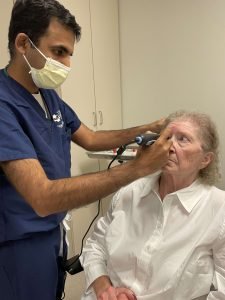
What Are the Injections For?
Macular degeneration affects your central vision, and there are two main types of the disease that may require injection therapy:
Wet Age-Related Macular Degeneration (Wet AMD)
Wet AMD occurs when abnormal, fragile blood vessels begin to grow beneath the retina (the light-sensitive tissue at the back of the eye). Because these new vessels are weak; they can leak fluid or blood, which can cause rapid and severe vision loss.
To treat this, doctors use a class of medications called Anti-VEGF injections. These medications block the specific protein in the body that signals these abnormal blood vessels to grow. By stopping the growth and leaking, the injections help stabilize—and in some cases, even improve—your vision.
Modern wet macular degeneration treatment aims to stop additional vision loss by limiting the formation of aberrant blood vessels under the retina. Texoma Retina offers innovative AMD treatment in Texas. We provide the latest anti-VEGF eye injections for macular degeneration, customized to the specific retinal state of each patient.
Commonly used and dependable Anti-VEGF medications include:
- Eylea and Eylea HD
- Vabysmo
- Avastin
- Lucentis
Dry Age-Related Macular Degeneration (Dry AMD)
Dry AMD is the more common, slower-moving form of the disease. In its advanced stage, called geographic atrophy, the cells in the center of your vision slowly waste away.
Fortunately, new advanced treatments have emerged to slow down this process. Medications like Syfovre or Izervay target the specific part of the body’s immune system responsible for this cell breakdown. While these injections cannot reverse or bring back vision that has already been lost, they are designed to slow down the progression of the disease and protect your remaining sight.
Advancements in dry macular degeneration treatment now give patients new strategies to decrease geographic atrophy progression. A skilled macular degeneration specialist can assess if these novel therapies are acceptable based on the stage of the disease and your overall eye health.
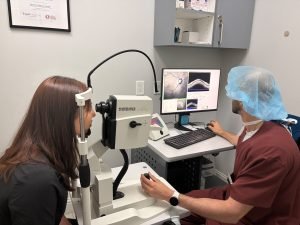
What Does the Injection Process Look Like?
The idea of an eye injection can sound intimidating, but the actual procedure is rapid and typically causes little to no pain. The entire process is done right in the comfort of your clinic; you are free to go home immediately afterward, and usually, only one eye is treated per appointment.
Eye injections for macular degeneration are one of the best ways to keep their vision. These injections are done by a skilled retina specialist in North Texas who uses exact methods to make sure the process is quick, safe, and as comfortable as possible.
Here is what you can expect during the procedure:
- Numbing: The technician or doctor will apply special numbing drops or a numbing gel to your eye. This ensures you feel minimal discomfort.
- Cleaning: The doctor will use an iodine solution to thoroughly clean the eye and the surrounding area to prevent infection.
- Keeping the Eye Open: A small, gentle medical device called a speculum will be used to hold your eyelids open. This prevents you from blinking during the procedure.
- The Injection: Your ophthalmologist will ask you to look in a specific direction and will carefully insert a very fine needle into the white part of your eye (the sclera).
What will you feel? Because the eye is thoroughly numbed, most patients do not feel a sharp pain. Instead, you may feel a dull sensation of pressure or a quick, minor pinch. The actual injection takes only a few seconds. A feeling of scratchiness or medication in the eye may cause some discomfort after the injection.
The entire contact time with your eye lasts only about 20 to 30 seconds. This includes applying the numbing gel, cleaning the area, performing the quick injection, and rinsing the eye afterward.
After Your Appointment
Once the procedure is complete, your doctor will rinse your eye. If your eye feels sensitive or irritated afterward, you can request additional lubricating drops. Some patients also prefer to wear a temporary eye patch on the ride home to rest their eyes.
It is normal to see a small red spot on the white of your eye afterward—this mark is just a minor bruise from the needle and will fade away on its own. If you have any questions or experience severe pain after your visit, your care team is always there to help.
An ophthalmologist will give you personalized advice on self-care and set up any follow-up appointments you need. Patients receiving AMD treatment in Texas are closely monitored to ensure the medication is working effectively and to maintain the best possible vision outcomes.
How Often Are Injections Needed?
There is no single schedule that works for everyone. The frequency depends entirely on your specific eye condition and how your retina responds to the medication.
-
- Initial Phase: When you first begin treatment, injections are typically given once every 4 weeks for the first few months to get the condition under control. Some patients may choose to inject only one eye for the first few months to adjust to the injections. Afterward, they may choose to inject the other eye.
- Maintenance Phase: Once your vision stabilizes, your ophthalmologist may try to extend the time safely between your appointments. For some patients, injections may eventually be spaced out to every 8, 12, or even 16 weeks.
- Injections in both eyes: It is uncommon for both eyes to be injected in the same visit. If each eye must be injected once every two months, you will need to attend the clinic every month to accommodate both eyes.
The number of times a patient gets treatment depends on how well the eye responds to it. At Texoma Retina near Allen, TX, our retina specialists make personalized treatment plans to help people with macular degeneration treatment in Texas and long-term care in Texas while also keeping their quality of life.
Ultimately, the choice to receive eye injections is up to you, the patient. While consistency is vital, the injection schedule can offer some flexibility; appointments can often be adjusted a week earlier or later without compromising the effectiveness of the medication. You may also choose to stop treatments at any time per your request. However, it is important to note that if injections are stopped, the progression of the disease will continue at an accelerated pace, whereas consistent treatment can dramatically delay severe vision loss over the span of many years.