


How Can Diabetes Affect Your Eyes?
Diabetic eye disease can happen to people with either type 1 or type 2 diabetes. Changes in glucose levels can cause temporary vision blurring. When blood sugar levels rapidly change either high or low, the eye’s lens can either swell or shrink, causing changes in how the light focuses. This results in blurred vision and may happen during blood sugar spikes and following insulin injections/medication. High blood sugar can damage blood vessels and nerves in the eye over time, making the damage permanent. These things can cause blood vessels to leak and swell, and they can also cause new blood vessels to grow in an abnormal way. This harm can cause eye diseases in people with diabetes.
Diabetic Retinopathy—Diabetes Affect Your Eye
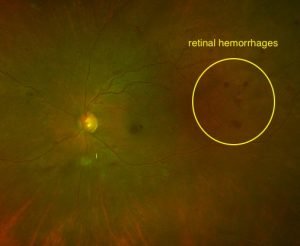
Diabetes can damage blood vessels in the retina, which is the light-sensitive layer at the back of the eye. Between 25 and 30 percent of Americans diagnosed with diabetes have some stage of diabetic retinopathy, and it is the leading cause of blindness in working-age adults.
Who is at risk?
Diabetic retinopathy and other eye diseases like glaucoma are more likely to happen to people who have had diabetes for a long time or currently smoke. Patients with prolonged high blood sugar levels, high blood pressure, high cholesterol, and other diabetic conditions are more likely to develop diabetic retinopathy.
Symptoms:
In the early stages of diabetic retinopathy, only small changes in eyesight may happen. However, as the disease progresses, symptoms can include impaired vision, floaters, difficulty with night vision, and impaired color vision. As symptoms worsen, blind spots, vision loss, and flashing lights may occur.
Prevention and Treatment:
The best way to lower the risk of developing diabetic retinopathy is to attend regular eye exams, as patients in the early stages may not experience symptoms, and to maintain controlled blood sugar levels.
Currently, diabetic retinopathy is unable to be reversed. Treatment from your ophthalmologist acts to slow the progression of diabetic retinopathy. Treatments include managing blood sugar levels, eye injections, laser therapy, and, in some cases, surgery to prevent vision loss.
Macular Edema—Diabetes Affect Your Eye
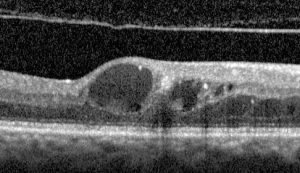
Adverse effects of diabetic retinopathy include macular edema. Macular edema occurs when the macula, an area of the retina, swells from fluid leaking from damaged or abnormal blood vessels caused by diabetic retinopathy. Swelling of the macula can lead to a loss of sharp, central vision. About half of people with diabetic retinopathy develop macular edema.
Symptoms:
Symptoms of macular edema include central blind spots, blurriness in the center of vision, double vision, floaters, and loss of detailed vision.
Glaucoma—Diabetes Affect Your Eye
Individuals with diabetes are twice as likely to develop glaucoma. Glaucoma is a disease associated with increased eye pressure, leading to optic nerve damage. High blood sugar levels can damage blood vessels in the optic nerve. With diabetic retinopathy, weakened blood vessels or the growth of abnormal blood vessels can block the drainage system in the eye. This can increase eye pressure and lead to glaucoma. Diabetes can increase oxidative stress and fibronectin accumulation, leading to damage in the optic nerve as well.
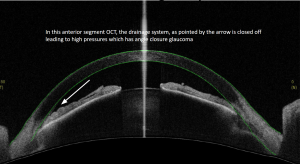
Symptoms:
Known as the “silent thief of sight,” glaucoma may go unnoticed in its early stages, allowing substantial vision loss to occur. As glaucoma progresses, symptoms can include loss of peripheral vision, halos around lights, redness in the eye, and eye pain. In the case of severe eye pain, seek immediate medical assistance.
Prevention and Treatment:
Regular eye exams are recommended along with maintaining stable blood sugar levels, managing high blood pressure and cholesterol, living a healthy lifestyle, and addressing diabetic retinopathy.
While there is no cure for glaucoma, there are several treatments that can work to prevent further vision loss in patients. Treatments include eye drops, laser therapy, and, in some cases, surgery.
Cataracts—Diabetes Affect Your Eye
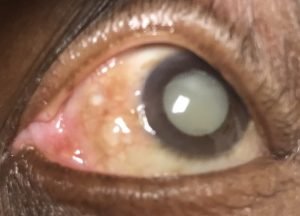
Diabetes can cause increased progression of cataracts. Cataracts is a condition where the lens of the eye becomes cloudy, leading to blurred vision. Most people will get cataracts as they become older. It is non-life-threatening, but left untreated, it could lead to severe vision impairment.
High glucose levels, oxidative stress, and sorbitol buildup from diabetes can damage the lens, leading to cataracts.
Treatment:
Treatment includes cataract surgery, which is generally safe and recommended for patients with progressed cataracts in the eyes. Cataract surgery replaces the lens in the eye, which can lead to significant vision improvement.
Diabetic Eye Disease Treatment in Sherman and Allen, TX
If you have diabetes and experience blurred vision, new floaters, flashes of light, blind spots, or changes in your central or peripheral vision, it is crucial to see an eye expert promptly. Texoma Retina and Glaucoma in Sherman, TX, provides specialized retinal and glaucoma services to patients across North Texas.
Patients looking for a retina specialist in Allen, TX can also take advantage of our specialized ophthalmology services to receive expert examination and care for diabetic retinal diseases. We want to be able to diagnose disease early, monitor its progression, and deliver the right treatment to help maintain effective sight.
Diabetes can impact all aspects of the eye, which is why complete eye care is crucial. In addition to diabetic retinopathy and macular edema, diabetes also raises the risk for cataracts and glaucoma. A comprehensive eye exam can help detect these problems and establish whether or not further treatment or monitoring is needed.
Retina Care Near Durant, Oklahoma
Texoma Retina and Glaucoma also treats patients from towns throughout Southern Oklahoma, including those seeking a retina specialist near Durant, Oklahoma. Our principal office is located in Sherman, Texas, but our convenient location near the Oklahoma border allows us to serve patients from Durant and adjacent regions with specialised retina and glaucoma care.
If you are a patient looking for diabetic eye care near Durant, OK, a retina specialist serving Southern Oklahoma, or an eye specialist near Durant, Oklahoma, please contact our Sherman office to learn more about the diagnostic and treatment services we offer. Patients from Hugo, Atoka, Madill, Ardmore, and adjacent Southern Oklahoma communities may also consider our Sherman facility for specialised retinal and glaucoma evaluation.
Why Select Texoma Retina and Glaucoma for Diabetic Eye Care?
Diabetic eye disease can develop without symptoms, and thus it is crucial to evaluate your eyes often to maintain your sight for the long run. Our fellowship-trained retina and glaucoma specialists at Texoma Retina and Glaucoma offers comprehensive, patient-focused treatment for complex eye problems.
From routine monitoring to more complex therapy, our team strives for the early detection of retinal abnormalities with a personalized treatment strategy. If you live in Sherman, Allen, North Texas or Southern Oklahoma, professional eye care can help you take proactive actions to keep your eyesight.
If you have diabetes, don’t wait until you experience major changes in your eyesight to schedule an appointment for an eye checkup. Contact Texoma Retina and Glaucoma in Sherman, TX for expert evaluation of diabetic retinopathy, macular edema, glaucoma, and more diabetes-associated eye issues.