

Retina Care Tips for Seniors
Keeping your eyes healthy as you age is increasingly important for your freedom, movement, and quality of life. At the back of the eye, there is a light-sensitive layer called the retina. It is essential for turning light into signals that the brain understands as images. Changes that come with getting older and long-term health problems can affect the health of the retina. For this reason, retina care tips for seniors is important, as they need to get regular eye exams and preventive retina care.
Older people can protect their eyesight by learning about common retinal diseases, spotting early warning signs, and living a healthy life. Timely evaluations and the right medical care can effectively treat many retinal problems and help seniors keep their visual function for longer. Go through some of the most important retina care tips for seniors that could help you understand when to reach a doctor.
Why Is Retina Care for Seniors Important?
Getting older makes you more likely to get eye problems like age-related macular degeneration (AMD), diabetic retinopathy, retinal tears, and retinal detachment. Some conditions get worse over time without showing any signs, while others can cause sudden changes in vision that need medical help right away.
An eye expert can look at the retina, find problems early, and suggest the right treatment when needed during routine dilated eye exams. Based on their individual risk factors, seniors who have diabetes, high blood pressure, a family history of retinal disease, or a history of eye problems may need to be checked out more often.
Talking to a retina specialist in Sherman TX can help older people get a full picture of their retinal health and learn what they need to do to keep their eyes healthy.
7 Essential Retina Care Tips for Seniors
First Retina Care Tip: Schedule Regular Dilated Eye Examinations
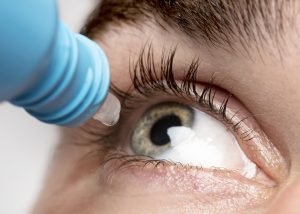
Scheduling full eye exams is one of the best ways to protect your retina’s health. An eye doctor uses eye drops to make the pupils bigger during a dilated eye exam. They then look at the retina for signs of disease.
These tests can help find changes in the retina before they cause major vision loss. Seniors should do what their eye doctor tells them about how often to get their eyes checked, especially if they have diabetes, macular degeneration, or a history of retinal problems.
Finding retinal problems early often gives doctors more chances to treat them before they do permanent damage.
Second Retina Care Tip: Take care of your blood sugar and blood pressure
Diabetes and high blood pressure can hurt the fragile blood vessels that supply the retina. Not being able to control your blood sugar can cause diabetic retinopathy over time. This can lead to eye loss, bleeding, and abnormal blood vessel growth.
Diabetes patients over 65 should monitor their blood sugar levels, attend their doctor’s visits, and follow their treatment plans. Controlling cholesterol and blood pressure is also important for the health of your arteries as a whole.
For individuals experiencing diabetes-related retinal changes, diabetic retinopathy treatment Sherman TX may involve regular monitoring, retinal imaging, laser treatment, or medication injections, depending on the severity and characteristics of the condition.
Balanced Diet with Eye-Friendly Nutrients
It is beneficial for your health to eat well, and it may also help your eyes stay healthy. In their meals, seniors should eat a range of vegetables, fruits, whole grains, legumes, fish, and other foods that are high in nutrients.
Leafy greens like spinach and kale contain nutrients, such as lutein and zeaxanthin, that the retina needs. Fish that is high in omega-3 fatty acids can also be a healthy part of a diet.
You shouldn’t always take nutritional supplements for eye problems. Some AREDS2-made supplements may help people with certain stages of age-related macular degeneration, but not everyone needs or can use them. Before taking any supplements, talk to an eye care professional.
Recognize the Warning Signs of Retinal Problems
People over 65 should notice any changes in their eyes, even if they seem minor. Some common warning signs are
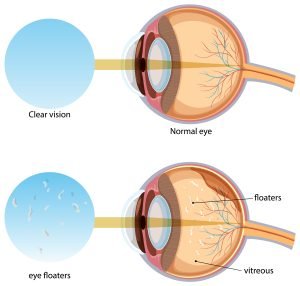
- A sudden rise in floaters, which are small spots that move around in your field of vision.
- Flashes of light, especially on the side.
- A dark shadow or sheet that moves across the field of view.
- Sudden blurred or distorted vision.
- Straight lines appearing wavy or bent.
- A new dark or empty area in the center of vision.
If you notice floaters, flashes, a curtain-like shadow, or rapid vision loss, it could mean that your retina is torn or detached. With these symptoms, you need to get an eye exam right away, preferably the same day. Wait for a regular meeting, but don’t wait.
Timely Retinal Tear Detachment Treatment Sherman TX can be critical when a retinal emergency occurs. Prompt evaluation may help prevent further damage and preserve as much vision as possible.
Keep your eyes safe from the sun and Injury
Long-term exposure to ultraviolet (UV) light can cause a number of eye health issues. People over 60 should go outside and wear sunglasses that stop all UVA and UVB rays. A hat with a wide top can protect you even more.
Protective glasses should also be worn when doing home repairs, gardening, or other activities that could put the eyes at risk of flying objects or getting hurt by accident.
Even though these steps can’t stop all retinal diseases, they do help lower avoidable risks and improve overall eye health.
Manage Age-Related Macular Degeneration Risks
Age-related macular degeneration affects the macula, the central part of the retina that controls fine details. When you have it, reading, recognizing faces, and driving can all be harder.
Early AMD might not show any clear signs. As the disease gets worse, people may notice blurred central vision, trouble reading small print, or distortions when looking at straight lines.
Avoiding smoking, eating a healthy diet, managing heart disease risks, and getting regular eye exams are all things that older people can do to improve their eye health. Some people can use an Amsler grid at home to monitor their central vision, but it should not replace professional exams.
A macular degeneration specialist Sherman TX can look at changes in the retina, figure out the type and stage of AMD, and talk about the best ways to treat or monitor the condition.
Review Medications and Follow Treatment Instructions
Many seniors take medicines for a number of long-term health problems. They should tell their eye doctor about all of the prescription drugs, over-the-counter medicines, and supplements they take.
Follow the directions on the eye drops your doctor gives you and go to your follow-up appointments as planned. If you are told you need retinal injections, laser procedures, or other treatments, ask what they are for, what the expected benefits are what the possible risks are and what you need to do afterward.
Family members and caregivers can help older people remember their meetings, keep track of their medications, and quickly report any new vision problems. Thus, following the retina care tips for seniors is very much essential as you grow older.
Common Retinal Conditions Affecting Older Adults
Some eye problems are more likely to happen as you get older or if you have certain medical risk factors:
Age-related macular degeneration: Central vision is damaged, and some types of the disease may need to be monitored, living advice given, or injections given.
Diabetic retinopathy: When diabetes hurts the blood vessels in the retina, this condition can happen. It may need surgery, injections, or laser treatment.
Retinal tears: There are small tears in the retina that might need laser treatment or cryotherapy right away to lower the risk of separation.
Retinal detachment: This condition happens when the retina pulls away from the tissue that supports it. Usually needs immediate evaluation by a specialist and surgery.
Retinal vein occlusion: When blood flow through a retinal vein gets blocked, this condition can happen. It can lead to retinal swelling and blurred vision.
The appropriate treatment depends on the diagnosis, disease severity, overall health, and individual visual needs. Not every retinal condition requires surgery or injections, but timely evaluation is important.
How Can Texoma Retina and Glaucoma Help?
Texoma Retina and Glaucoma offers specialized who need to be checked out or treated for retinal problems. Access to specialized retinal care can make it easier for seniors in Sherman and nearby North Texas communities, as well as those in Southern Oklahoma, to find vision problems and understand their treatment options.
After looking at your symptoms and eye health, the care team at Texoma Retina and Glaucoma can suggest the best way to treat your condition. Care may include retinal imaging, ongoing monitoring, medication injections, laser procedures, or surgery when needed, depending on the situation.
During their appointment, people seeking Retina Care Treatment Sherman TX can benefit from talking about their medical history, how they are managing their diabetes, changes in their vision, and any previous eye treatments. Getting the recommended exams and treatments can help you manage retinal disease and keep your eyes healthy over time.
If you or an older family member starts to see new floaters, flashes, blurred vision, or sudden changes in their vision, you should see a doctor right away. Do not wait to get care when symptoms of a retinal emergency show up.
Keep your eyes healthy as you age. Make an appointment with Texoma Retina and Glaucoma for an eye exam to talk about your retinal health, learn about your risk factors, and look at your care choices. Early detection, healthy habits, and timely treatment can help you keep your freedom and vision.