



Incisional Surgeries
Minimally Invasive Glaucoma Surgery in Texas (MIGS)
Incisional Surgery in Texas
When medicines and laser treatments are no longer enough to control intraocular pressure (IOP), glaucoma surgery may be suggested. Operation for glaucoma aims to improve the drainage of eye fluid, lower eye pressure, and safeguard the optic nerve from further harm. There are different kinds of surgery that we do at Texoma Retina & Glaucoma. These include Minimally Invasive Glaucoma Surgery (MIGS), trabeculectomy, canaloplasty, GATT, Hydrus Microstent, iStent Inject®, and XEN Gel Stent sessions. One of our glaucoma doctors will make a personalized treatment plan just for you that will help you keep your sight and improve your long-term eye health.
For patients seeking minimally invasive glaucoma surgery in Texas, treatment is selected according to glaucoma type, disease severity, eye pressure, optic nerve health, previous treatments, and overall eye health. Our doctors provide personalized care to patients in Sherman, Allen, McKinney, and adjacent North Texas cities and those traveling from Southern Oklahoma.
Why Glaucoma Surgery Is Needed?
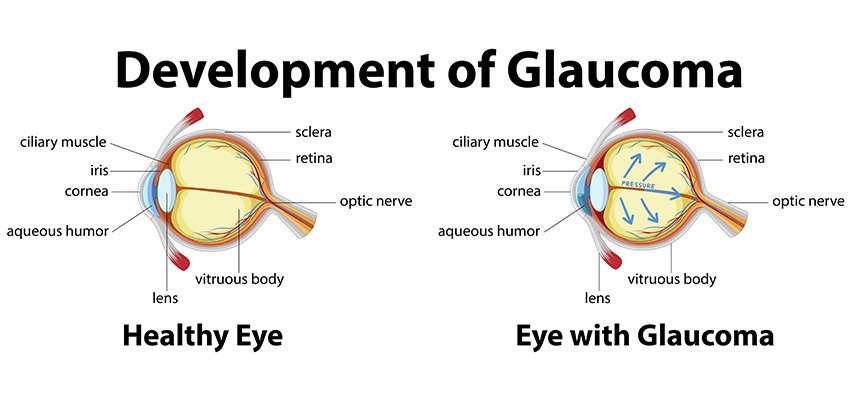
Glaucoma is a condition in which the pressure in the eye increases, causing damage to the optic nerve. Many patients may manage glaucoma with drugs and laser treatment, but in certain people, surgery is needed to lower pressure and avoid progressive vision loss.
Glaucoma treatment surgery may be considered if ocular pressure stays above the target desired level despite the use of drugs or laser therapy, if the glaucoma continues to worsen, or if the side effects of medications and treatment complexity become substantial issues.
Benefits of Glaucoma Surgery
- Helps lower intraocular pressure
- Reduces risk of glaucoma progression
- May reduce dependence on eye drops
- Preserves remaining vision
- Provides long-term pressure control
- Multiple treatment options available
- Personalized to each patient’s condition
Minimally invasive glaucoma surgery (MIGS)
MIGS treatments are meant to lower eye pressure with fewer cuts and less time spent healing than regular glaucoma surgery. People with mild to moderate glaucoma often have these treatments, and they may also have them at the same time as cataract surgery.
Specialized techniques and tools are used in minimally invasive glaucoma surgery to help the eye’s natural drainage of fluid. The right procedure depends on the patient’s health, the severity of their glaucoma, and their treatment goals.
Multiple MIGS devices have been approved and are now being studied more. Surgery like this is done to help the eye’s natural drainage system work better so that fluid can leave the eye more easily. These treatments are often done with cataract surgery, but some can be done separately.
Examples include:
- Hydrus® Microstent
- Goniotomy (via various registered trademarked instruments)
- Gonioscopy-assisted Transluminal Trabeculotomy (GATT)
- Canaloplasty
- iStent®
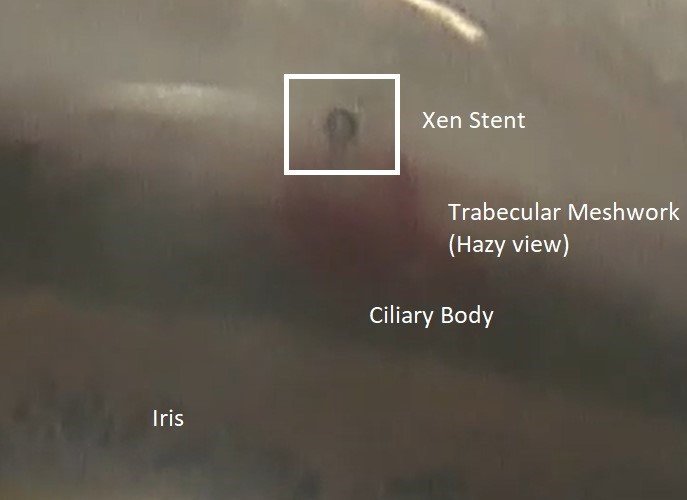
This figure provides an intraoperative view of a Xen gel stent placed inside the eye. The lumen of this tube is 45 micrometers wide. The lumen is 0.001 inches wide!
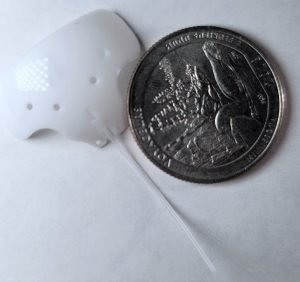
This figure demonstrates a glaucoma tube shunt device. The tube goes inside the eye and drains to the plate which lies in the eye socket.
Glaucoma Drainage Surgery
The point of these surgeries is to make a new way for fluid to leave the eye. These can sometimes be done at the same time as eye surgery.
Examples Include:
- XEN® Gel Stent: This is a microscopic stent that creates a bypass channel
- Glaucoma Tube Shunt (various models to be selected by your doctor on a case-by-case basis): These typically consist of larger stents to create a bypass channel
- Trabeculectomy: This is a surgery that creates a bypass channel using your body’s own tissue and anti-scarring agents
This figure provides an intraoperative view of a Xen gel stent placed inside the eye. The lumen of this tube is 45 micrometers wide. The lumen is 0.001 inches wide!
This figure demonstrates a glaucoma tube shunt device. The tube goes inside the eye and drains to the plate, which lies in the eye socket.
Cataract Surgery:
Please see the section on cataract surgery for a more basic overview. Occasionally your doctor will perform cataract surgery as a standalone or combine it with glaucoma surgery, and the decision is determined on a case-by-case basis. Numerous lens options exist and continue to be developed. If you have glaucoma, discuss the risks and benefits of the lens in your eye.
Traditional Glaucoma Surgery
People who have advanced glaucoma may need more aggressive surgeries, like trabeculectomy or glaucoma tube shunt surgery. These treatments make new ways for fluids to drain and can lower pressure by a large amount.
Glaucoma surgical procedures can include trabeculectomy, tube shunt implantation, and other drainage procedures when MIGS or other treatments aren’t enough to reduce the pressure. Eye surgery for glaucoma is chosen based on the patient’s specific diagnosis and the IOP that the surgeon wants to lower.
Advanced Glaucoma Treatment in North Texas
Advanced glaucoma treatment might be a good idea if regular treatments aren’t working to control your glaucoma. When planning surgery, optic nerve damage, changes in the patient’s visual field, eye pressure, previous procedures, and their general eye health are all taken into account.
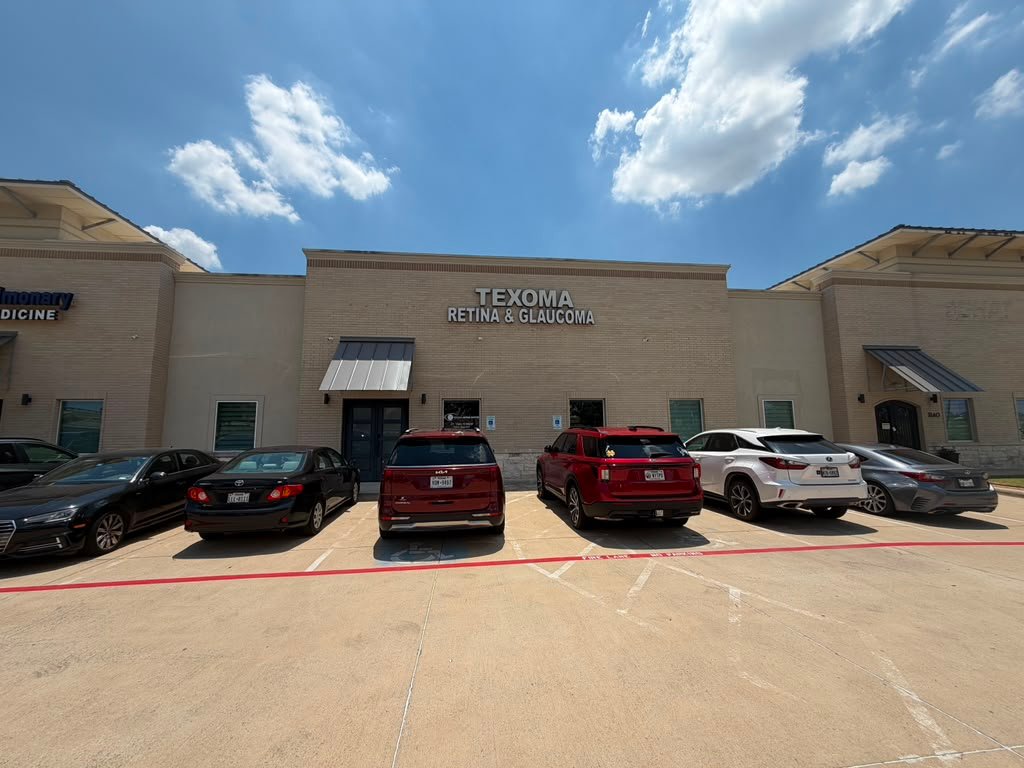
If you need a glaucoma specialist in Sherman, TX, a glaucoma specialist in Allen, TX, or glaucoma care near McKinney or in southern Oklahoma, Texoma Retina & Glaucoma can help. We offer various evaluation and treatment options based on each patient’s needs.
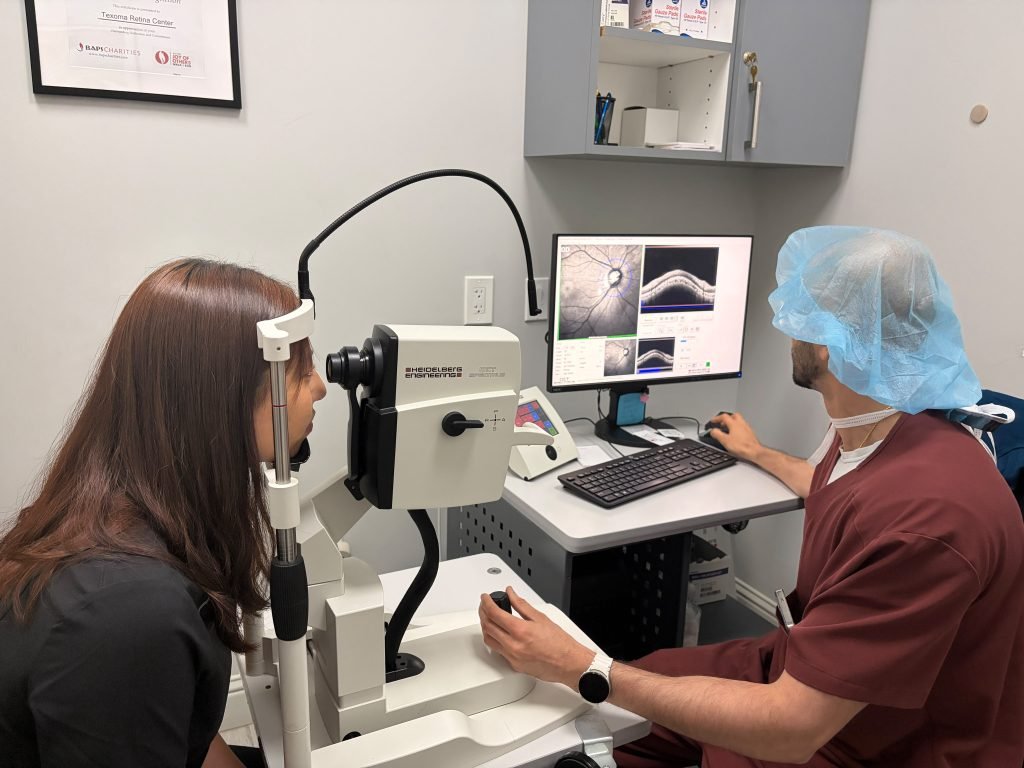
Glaucoma Pressure Reduction Surgery
The goal of glaucoma pressure reduction surgery is to help the eye’s watery fluid drain better and lower intraocular pressure (IOP) to a level that helps protect the optic nerve. Glaucoma surgery can’t bring back vision that has already been lost, but it can help lower the risk of more damage.
For people whose glaucoma needs more pressure reduction, trabeculectomy surgery and glaucoma tube shunt procedures may be suggested. Before the treatment, your ophthalmologist will talk to you about the possible benefits, risks, other options, and predicted recovery.
Frequently Asked Questions
Glaucoma surgery may be needed if eye pressure can't be controlled with medicine or laser treatment, or if the disease keeps getting worse despite treatment.
MIGS are a group of treatments that use small cuts and special tools or methods to help drain fluid and lower pressure inside the eye. They are often done along with cataract surgery.
How well it works depends on the type and severity of glaucoma, the procedure chosen, and other patient-specific factors. The goal is to get and stay at a safe level of eye pressure.
How you get better depends on the procedure. It may take less time to recover from MIGS than from traditional surgery. On the other hand, treatments like trabeculectomy and tube shunt surgery may need more follow-up care and time to heal.
The main goals of glaucoma surgery are to lower eye pressure and protect any nerve function that is still there. Usually, glaucoma surgery can't restore vision that has already been lost forever.
Request an
Appointment
Opening Hours
Calls are taken 24/7 for emergencies
Available on Saturday and Sunday for Emergency only. Call for appointment
LOCATIONS AND DIRECTIONS